Industrial maintenance is not only about repairing machines.
Many MRO jobs also involve removing rust, stripping old paint, cleaning welds, refining scratches, preparing metal before repainting, and restoring worn surfaces.
These tasks do not require the same abrasive.
A heavy grinding product can remove scale quickly, but it may leave scratches that are too deep for coating preparation. A non-woven pad can clean light oxidation, but it is not designed to remove heavy rust.
For industrial maintenance, the abrasive process should normally follow the surface condition:
Heavy Contamination → Material Removal → Scratch Refinement → Surface Conditioning → Coating Preparation
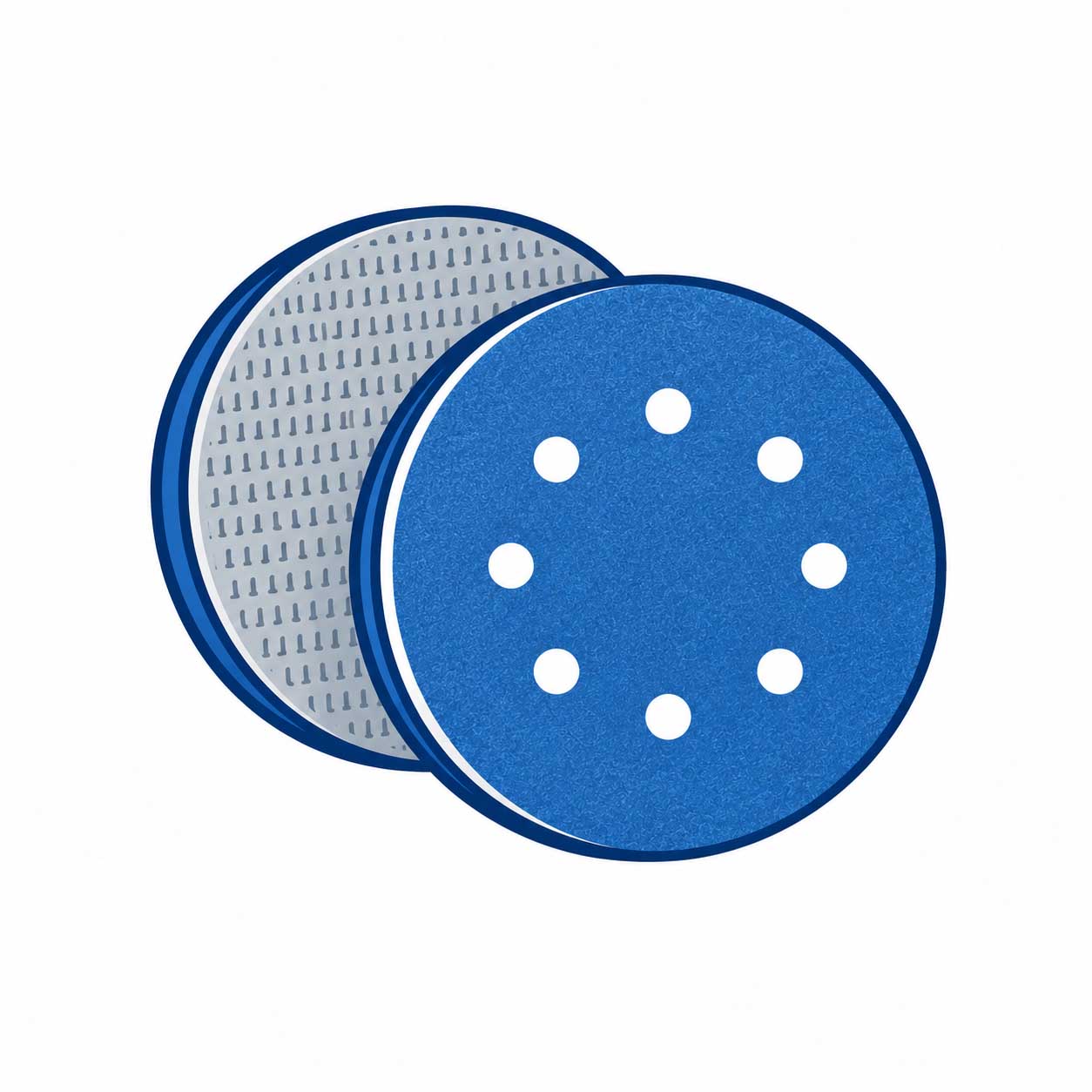
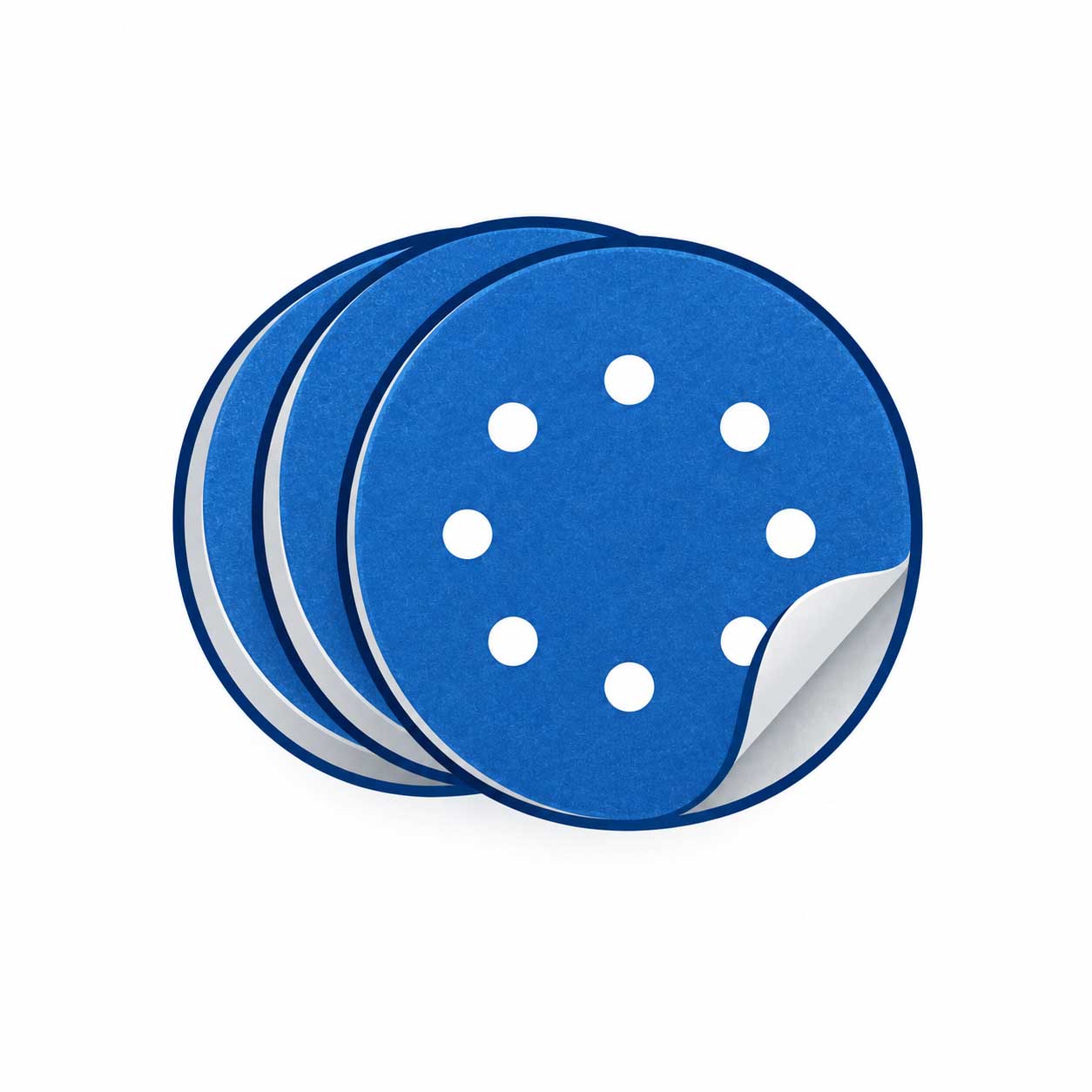
Aozhong’s product range can support these different stages with Grinding & Cutting Products, Sanding Discs, Abrasive Belts, Non-Woven Abrasives, Sanding Rolls, Sheets, and Polishing Products.
The first question should not be:
“What grit should I use?”
It should be:
“What surface problem needs to be removed?”
Industrial maintenance can involve several very different conditions.
| MRO Task | Surface Problem | Abrasive Direction |
|---|---|---|
| Heavy Rust Removal | Thick corrosion / scale | Grinding or coarse sanding |
| Light Rust Removal | Surface oxidation | Sanding / non-woven |
| Paint Stripping | Old coating | Sanding disc / abrasive belt |
| Weld Repair | Weld bead and spatter | Grinding + sanding |
| Scratch Refinement | Grinding marks | Sanding disc |
| Surface Blending | Uneven appearance | Non-woven abrasive |
| Pre-Coating Preparation | Surface irregularity | Fine sanding / conditioning |
| Maintenance Cleaning | Light contamination | Non-woven pad |
This distinction helps avoid two common mistakes:
Using an abrasive that is too aggressive creates unnecessary scratches.
Using an abrasive that is too fine increases sanding time and abrasive consumption.
Rust removal is one of the most common industrial maintenance jobs.
But all rust should not be treated the same way.
Thick corrosion, scale, and heavily degraded surfaces need more cutting power.
Depending on the workpiece and equipment, the first stage may use:
The objective is to remove unstable corrosion and expose a sound surface.
Once the heavy rust is removed, the process should move to a finer abrasive before painting or coating.
When corrosion is less severe, a sanding disc may provide better control than aggressive grinding.
This helps reduce unnecessary removal of base metal.
For lighter rust, cleaning, or surface blending, Non-Woven Abrasives may be more suitable.
| Rust Condition | Product Direction | Main Goal |
|---|---|---|
| Heavy Rust / Scale | Grinding Product | Fast removal |
| Medium Rust | Coarse / Medium Sanding Disc | Controlled removal |
| Light Rust | Fine Sanding Disc / Non-Woven | Surface cleaning |
| Final Surface Prep | Fine Sanding / Non-Woven | Prepare for coating |
A useful rule is:
Rust severity should determine abrasive aggressiveness.
Industrial machines, steel frames, tools, pipes, and fabricated parts may need old paint removed before maintenance or recoating.
Common surfaces can include:
The correct abrasive depends on how much coating needs to be removed.
For heavy coating removal, a more aggressive sanding product may be needed.
For partially damaged paint, full stripping may not be necessary. The stable coating can sometimes be refined and prepared for the next layer according to the coating system.
A practical sequence may be:
Coating Removal → Scratch Refinement → Edge Blending → Final Surface Preparation
Common Grit Direction
| Maintenance Stage | Reference Grit Range | Main Purpose |
|---|---|---|
| Heavy Coating Removal | P40–P80 | Remove old coating |
| General Refinement | P80–P120 | Reduce coarse scratches |
| Surface Preparation | P120–P180 | Refine substrate |
| Fine Coating Preparation | P180–P240+ | Prepare for next coating |
These are general reference ranges.
Final grit should follow the coating manufacturer’s requirements.
Aozhong Sanding Discs and Abrasive Belts can be used during the coating-removal and refinement stages, while Non-Woven products are more useful once the objective changes from aggressive removal to surface conditioning.
Industrial maintenance often involves repair welding.
For example:
After welding, the repaired area may need to be blended before repainting.
A professional process should normally separate three jobs:
Use a suitable grinding product to reduce excess weld material.
Move to a sanding disc or belt to remove deeper grinding marks.
Use a finer abrasive or Non-Woven product where the surface needs a more uniform appearance.
| Repair Stage | Product Direction | Main Function |
|---|---|---|
| Weld Removal | Grinding Product | Material removal |
| Heavy Scratch Removal | Coarse Sanding Disc | Reduce grinding marks |
| Intermediate Refinement | Medium Sanding Disc | Reduce scratch depth |
| Surface Blending | Non-Woven Abrasive | Improve finish consistency |
| Pre-Coating Preparation | Fine Abrasive | Prepare for coating |
Trying to complete every stage with an aggressive grinding product often creates extra finishing work.
Non-Woven Abrasives have an important role in maintenance because not every surface problem requires heavy material removal.
They are useful for:
The difference between coated abrasives and non-woven abrasives can be summarized simply:
Coated abrasives remove material.
Non-woven abrasives condition the surface.
| Product Type | Material Removal | Surface Control | Typical MRO Use |
|---|---|---|---|
| Grinding Product | High | Low–Medium | Heavy rust / weld removal |
| Sanding Disc | Medium–High | Medium | Paint removal / scratch refinement |
| Abrasive Belt | Medium–High | Medium | Production maintenance |
| Non-Woven Disc | Low–Medium | High | Blending / cleaning |
| Non-Woven Pad | Low | High | Hand maintenance |
| Fine Sanding Abrasive | Low–Medium | High | Coating preparation |
Aozhong Non-Woven Abrasive Pads, discs, rolls, and related surface-conditioning products can therefore be positioned as maintenance products rather than only decorative finishing abrasives.
One common maintenance mistake is stopping when the metal “looks clean.”
But a surface can look clean and still be poorly prepared for coating.
Before repainting or recoating, the maintenance process should consider:
The abrasive stage should leave a surface suitable for the next coating process.
For industrial maintenance, this usually means:
Remove unstable material → Refine scratches → Blend transitions → Clean surface → Apply coating
The final sanding grit should follow the coating system.
Too coarse a finish may leave visible scratches.
Too fine a finish may not match the surface profile required by some coatings.
For this reason, abrasive selection and coating requirements should be considered together.
Industrial maintenance departments and MRO distributors usually need a broader abrasive range than a single production process.
A practical product mix can be built around maintenance tasks.
| Maintenance Application | AoZhong Product Direction |
|---|---|
| 01 Heavy Rust / Scale | Grinding & Cutting Products |
| 02 General Rust Removal | Sanding Discs |
| 03 Paint Removal | Sanding Discs / Abrasive Belts |
| 04 Weld Repair | Grinding + Sanding |
| 05 Scratch Refinement | Medium / Fine Sanding Discs |
| 06 Light Oxide Removal | Non-Woven Abrasives |
| 07 Surface Blending | Non-Woven Discs / Pads |
| 08 Hand Maintenance | Sanding Sheets / Rolls |
| 09 Pre-Coating Preparation | Fine Sanding / Surface Conditioning |
| 10 Final Appearance Improvement | Polishing Products |
Industrial maintenance abrasive selection should follow the surface problem and the next process.
Grinding products are suitable for heavy rust, scale and weld removal. Sanding discs and abrasive belts support paint removal and scratch refinement. Non-Woven Abrasives are useful for light rust, cleaning, blending and surface conditioning. Fine abrasives prepare the metal for repainting or recoating.
For MRO buyers, the most practical selection logic is:
Surface Problem → Material → Removal Requirement → Required Finish → Abrasive Format
The goal is not to use the most aggressive abrasive.
It is to remove only what needs to be removed and leave the surface ready for the next maintenance step.
Common questions about abrasive selection, machine and hand sanding, customization, sample testing and purchasing information for industrial maintenance programs.
Yes. These maintenance tasks require different levels of material removal. AoZhong can combine Grinding & Cutting Products, Sanding Discs, Abrasive Belts, Non-Woven Abrasives, Sheets and Rolls according to the metal, surface condition and next coating process.
Yes. Machine-sanding applications can use sanding discs, abrasive belts and compatible grinding products, while hand-maintenance applications can use sanding sheets, rolls and Non-Woven Pads. Product format can be selected around the tool and working area.
Yes. AoZhong supports B2B customization across applicable abrasive products, including grit, dimensions, backing or attachment structure, product shape, labels and packaging. This is useful for industrial distributors and private-label MRO programs.
Yes. Sample testing is recommended for new MRO applications because rust condition, coating type, machine speed and required finish can affect abrasive performance. Buyers can evaluate cutting action, scratch pattern, loading and surface finish before confirming a bulk specification.
Provide the material, maintenance task, starting surface condition, required final surface, tool type, grit range and product size. For example, “rust and paint removal from carbon-steel equipment before repainting” is more useful than requesting only a grit number.