Restoring old furniture usually involves more than sanding bare wood.
A used table, chair, cabinet, or drawer may have old paint, varnish, stain, scratches, repaired areas, or several layers of finish. The correct abrasive depends on what needs to be removed and what finish will be applied next.
A practical sanding process is:
Inspect the Furniture → Remove or Scuff the Old Finish → Level the Surface → Refine Scratches → Sand Details → Prepare for Paint or Stain
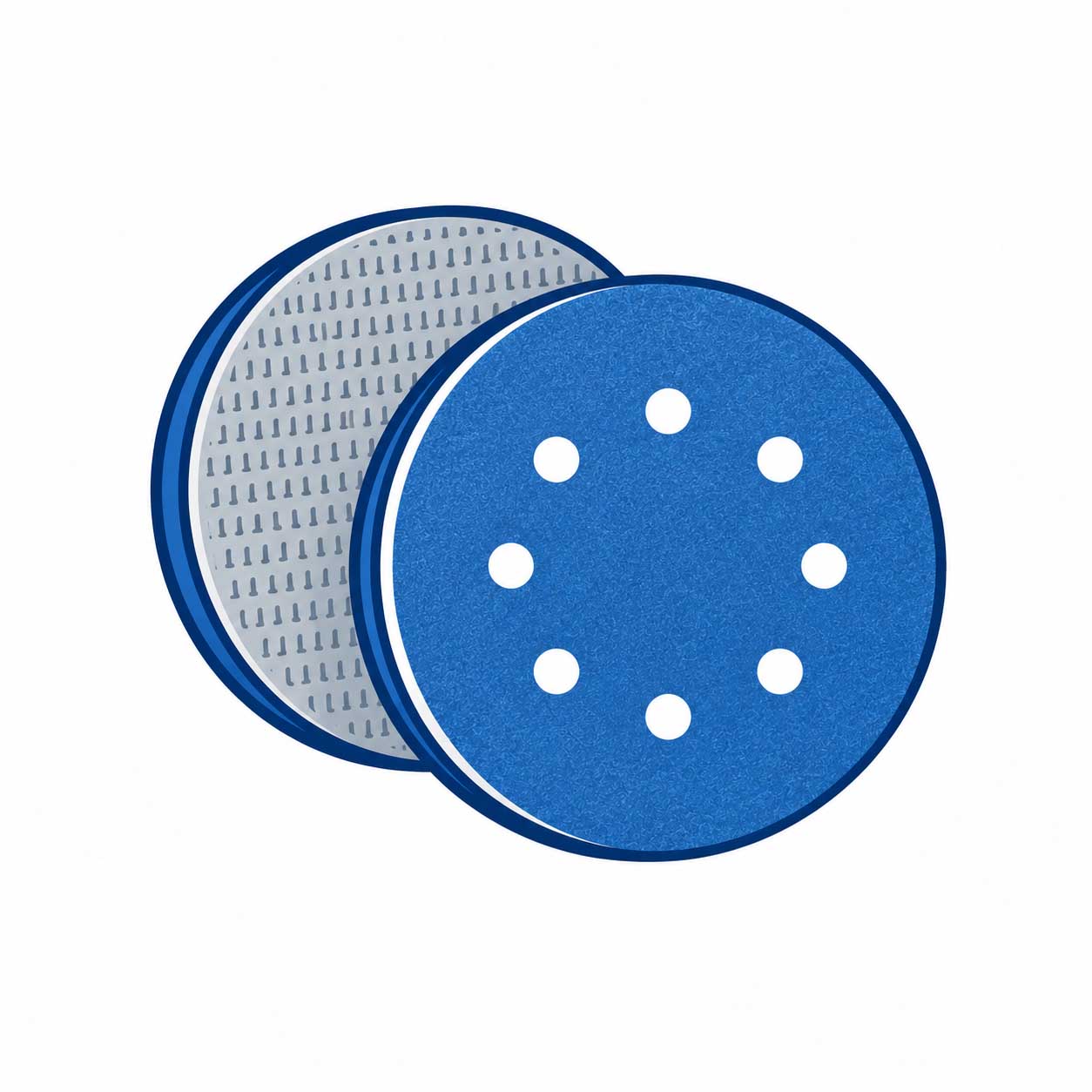
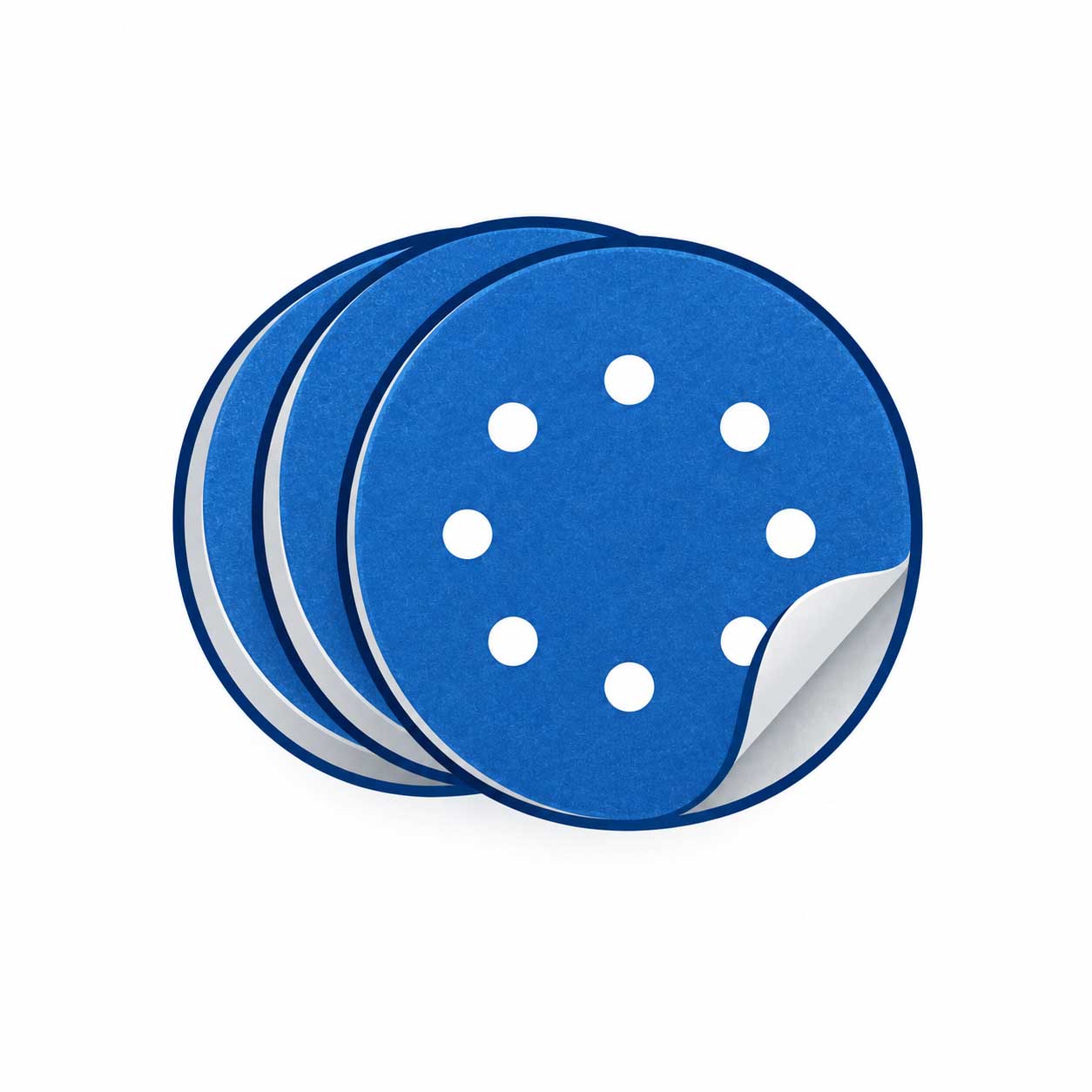
Aozhong's Home DIY abrasive range includes sanding sheets, sanding sponges, sanding discs, mesh abrasives, non-woven pads, Wet & Dry products, and fine finishing abrasives. These formats allow the sanding product to change as the restoration process moves from larger flat areas to edges, curves, and final preparation.
Do not start furniture restoration by automatically selecting the coarsest sandpaper.
First identify:
Different furniture surfaces require different levels of material removal.
| Furniture Surface | Main Risk | Abrasive Direction |
|---|---|---|
| Solid Wood | Deep sanding scratches | Controlled grit progression |
| Wood Veneer | Sanding through the thin veneer | Fine abrasive + low pressure |
| MDF | Fine dust and damaged edges | Disc / mesh / fine abrasive |
| Old Paint | Coating loading and uneven removal | Disc / sheet |
| Varnished Wood | Existing finish may need removal or scuffing | Medium / fine abrasive |
| Repaired Area | Height difference | Controlled leveling |
| Detailed Profile | Uneven abrasive contact | Sponge / flexible abrasive |
Veneer deserves extra care.
A solid wood tabletop may tolerate more material removal, while thin veneer can be damaged quickly by aggressive machine sanding.
Aozhong's existing furniture sanding guidance similarly distinguishes solid wood, MDF, and veneer because their main sanding risks are different.
The first rule is therefore:
Identify the substrate before choosing the grit.
Furniture restoration usually moves from defect or coating removal toward finer scratch refinement.
The following ranges are practical starting references rather than fixed rules.
| Sanding Stage | Reference Grit Range | Main Purpose |
|---|---|---|
| Heavy Finish / Paint Removal | P40–P80 | Remove heavy coating or major defects |
| Initial Wood Sanding | P80–P120 | Level wood and remove coarse marks |
| General Refinement | P120–P180 | Reduce previous sanding scratches |
| Fine Surface Preparation | P180–P240 | Prepare for many finishing processes |
| Fine Coating / Between-Coat Work | P240+ | Finish-system dependent |
Starting too coarse can create unnecessary scratches.
Starting too fine can make old finish removal or leveling inefficient.
A better rule is:
Use the finest grit that can still complete the current job efficiently.
Each following grit should remove the scratch pattern from the previous stage.
The final grit should also match the requirements of the paint, stain, sealer, or clear-coat system being used.
One abrasive format does not need to cover the whole furniture project.
Large flat surfaces are easier to sand with a machine. Small details often require hand sanding.
| Furniture Area | Abrasive Format | Main Advantage |
|---|---|---|
| Tabletop | Hook & Loop Sanding Disc | Efficient flat-area sanding |
| Cabinet Door | Sanding Disc / Mesh Disc | Uniform machine sanding |
| Drawer Front | Disc / Sheet | Flexible process choice |
| Furniture Edge | Sanding Sheet / Sponge | Better control |
| Corner | Sanding Sheet | Access to small areas |
| Long Profile | Sanding Roll | Cut to required length |
| Small Repair | Sheet / Sponge | Local control |
Aozhong produces sanding discs, sheets, rolls, Hook & Loop products, PSA products, mesh abrasives, and film-backed products across its coated-abrasive range. Custom options can include grit, dimensions, backing, hole pattern, logo, and packaging.
For DIY furniture restoration, a simple principle is:
Machine abrasives for efficiency. Hand abrasives for control.
A random orbital sander may save time on a tabletop, but it is not the best tool for every corner or decorative profile.
Furniture rarely consists only of flat panels.
Typical restoration projects may include:
A rigid sanding method can remove too much material from raised areas while barely touching recessed areas.
Flexible abrasives provide better surface contact.
| Furniture Area | Main Requirement | Aozhong Product Direction |
|---|---|---|
| Flat Panel | Maintain flatness | Sanding Disc / Sheet |
| Rounded Edge | Follow curvature | Sanding Sponge |
| Chair Leg | Flexible contact | Sponge / Foam Abrasive |
| Cabinet Profile | Follow shape | Flexible Foam Abrasive |
| Corner | Hand control | Sheet / Sponge |
| Decorative Detail | Controlled pressure | Flexible Abrasive |
Aozhong manufactures foam-backed abrasive pads for woodworking and surface preparation, with customizable shapes, abrasive grains, grits, and foam configurations. Double-sided sponge formats are also available for hand sanding of wood, paint, metal, and other surfaces.
A useful rule is:
Firm abrasive = leveling
Flexible abrasive = contour following
Do not use a soft sanding sponge to correct a surface that still needs firm leveling.
Wood sanding creates fine dust.
Old coatings and primers can also build up on the abrasive surface and reduce cutting efficiency.
When sanding dust stays between the abrasive and furniture surface, it can contribute to:
loading;
reduced cutting performance;
more frequent abrasive changes;
less visible surface defects.
For compatible random orbital sanding systems, Aozhong Mesh Sanding Discs can be considered.
Their open fiber or polyester structure allows dust to move through the abrasive toward a compatible extraction system. Aozhong currently offers mesh structures using several abrasive configurations and customizable grit, size, and packaging options.
| Feature | Mesh Sanding Disc | Conventional Sanding Disc |
|---|---|---|
| Structure | Open mesh backing | Paper / film or other coated backing |
| Dust Path | Through open abrasive structure | Through extraction holes where provided |
| Hole Alignment | Less dependent on individual holes | Hole pattern should match pad |
| Main Use | Dust-heavy sanding | General sanding and leveling |
| Furniture Application | Fine wood / coating sanding | Broad range of sanding stages |
Mesh is not automatically the best choice for every restoration step.
Heavy paint removal may require a stronger conventional abrasive structure.
For dust-heavy refinement work, mesh may provide a useful option when the complete sanding system supports extraction.
The full system matters:
Abrasive → Backing Pad → Sander → Hose → Vacuum
This is one of the most important differences in DIY furniture restoration.
The final finish determines how far the old coating needs to be removed.
If an existing coating is sound and compatible with the new coating system, complete removal to bare wood may not always be necessary.
The process may instead involve:
Clean → Repair → Scuff Sand → Remove Dust → Prime / Paint
The objective is to create a clean, stable, and consistent surface for the next coating.
Penetrating wood stain usually depends much more on direct contact with the wood.
Old paint, varnish, or sealer can prevent uniform absorption.
For many staining projects, the preparation process therefore moves closer to:
Remove Existing Finish → Sand Bare Wood → Refine Scratches → Remove Dust → Apply Stain
| Final Finish | Main Sanding Goal | Key Consideration |
|---|---|---|
| Repainting | Create a stable preparation surface | Full stripping may not always be required |
| Wood Stain | Expose and prepare wood consistently | Old coating can affect absorption |
| Clear Finish | Control scratches and wood quality | Sanding marks may remain visible |
| Oil Finish | Prepare clean bare wood | Follow finish-system instructions |
| Between Coats | Light surface refinement | Follow coating manufacturer's recommendation |
The most important point is:
Do not prepare furniture for paint and stain in exactly the same way.
Always follow the finish manufacturer's preparation and final-grit recommendations.
A useful furniture restoration kit should cover different sanding stages rather than offering several versions of the same abrasive.
A practical product structure could be:
| DIY Furniture Task | Aozhong Product Direction |
|---|---|
| Heavy Old Finish Removal | Coarse Sanding Disc / Sheet |
| Tabletop Sanding | Hook & Loop Sanding Disc |
| General Wood Refinement | Medium / Fine Sanding Disc |
| Dust-Controlled Sanding | Mesh Sanding Disc |
| Edges and Curves | Sanding Sponge |
| Corners and Details | Sanding Sheet |
| Hand Sanding | Sheets / Rolls |
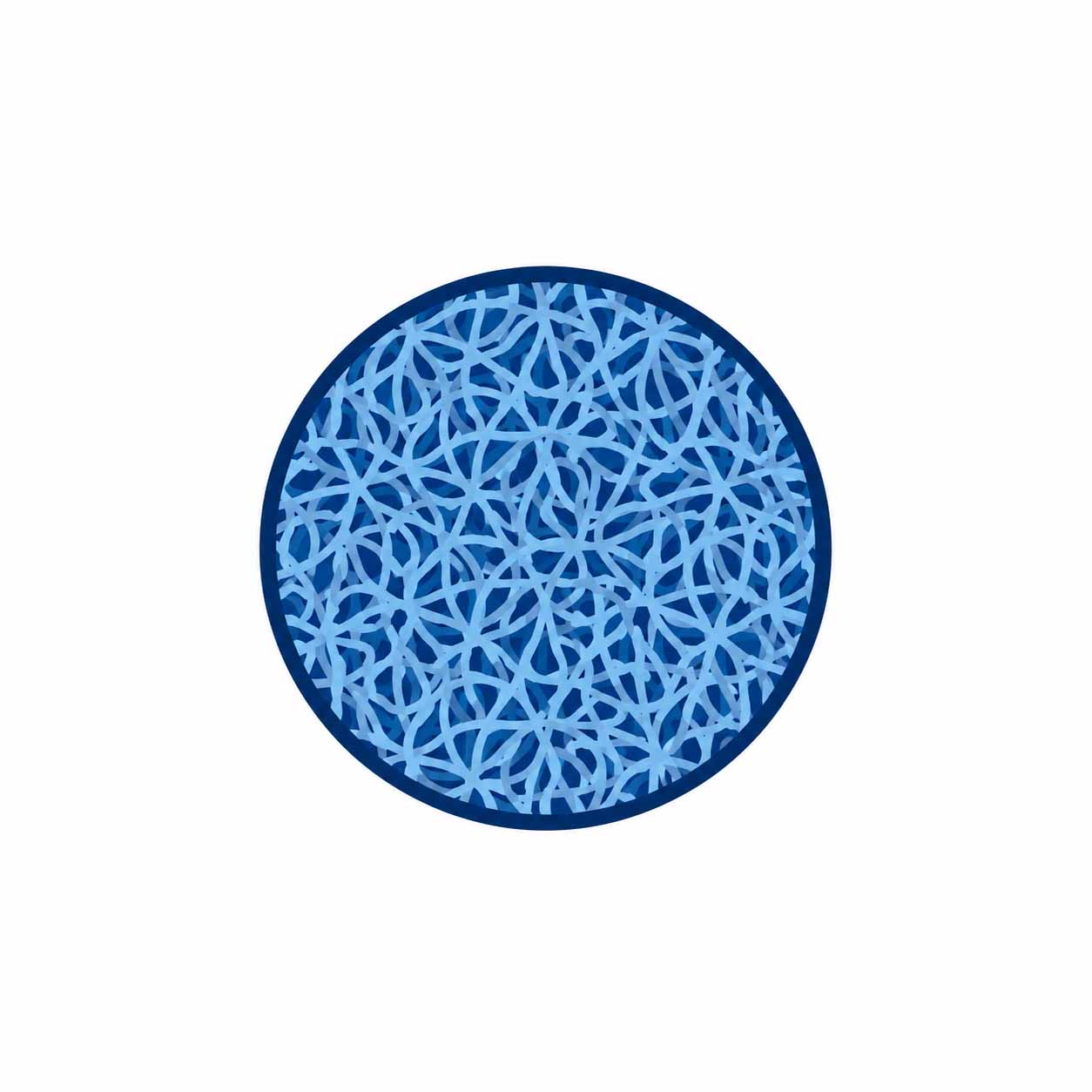
| Light Surface Conditioning | Non-Woven Abrasive |
| Fine Finish Preparation | Fine Sanding Abrasive |
Yes. Aozhong offers sanding discs, sheets, rolls, mesh abrasives, sanding sponges, and other coated-abrasive formats. A furniture restoration range can therefore use a coarser abrasive for old-finish removal and progressively finer products for wood refinement and preparation.
Yes. Depending on the product, Aozhong can customize foam-backed abrasives in different shapes, grits, abrasive grains, and foam configurations. These products can be developed for hand sanding, profiles, edges, and curved furniture surfaces.
Yes. Aozhong produces mesh abrasives with an open backing structure designed to support dust movement when used with compatible sanding and extraction systems. Buyers should provide disc size, grit range, sander type, and extraction requirements when developing a product specification.
Yes. Aozhong provides samples for product evaluation. Retailers and private-label buyers can test cutting performance, scratch pattern, flexibility, loading behavior, and product compatibility before finalizing a kit or bulk order.
Yes. Aozhong supports OEM and private-label programs for distributors, wholesalers, retailers, and home-improvement suppliers. Depending on the product, customization can include grit, size, backing, shape, hole pattern, branding, and packaging.