Wooden staircase refinishing involves more than sanding flat boards.
A typical staircase may include treads, risers, handrails, balusters, rounded edges, corners, and decorative profiles. Some areas are flat and easy to sand with a machine, while others need flexible abrasives and more hand control.
A practical sanding process is:
Inspect the Surface → Remove or Reduce the Old Finish → Level Defects → Refine Scratches → Sand Profiles → Prepare for Stain or Paint
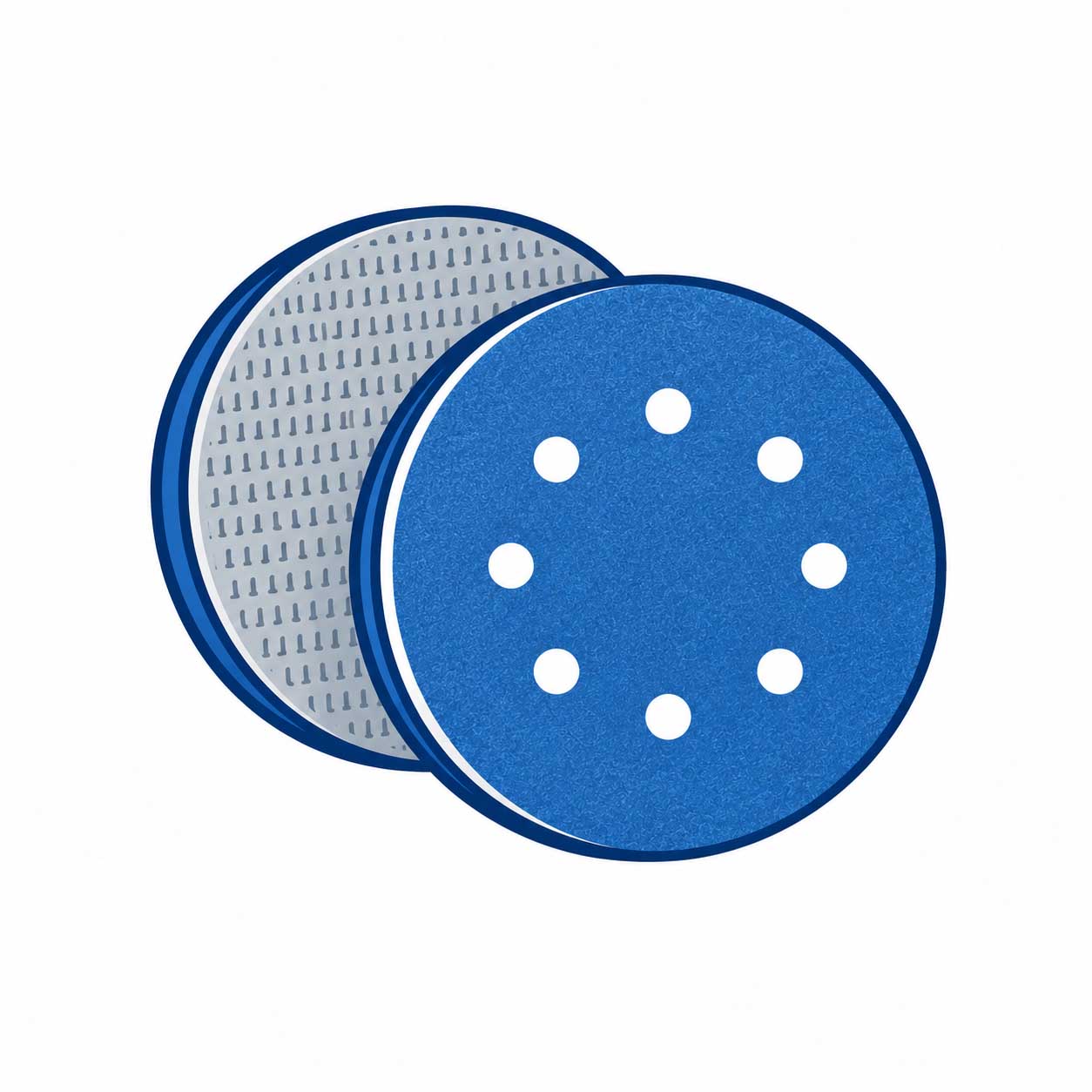
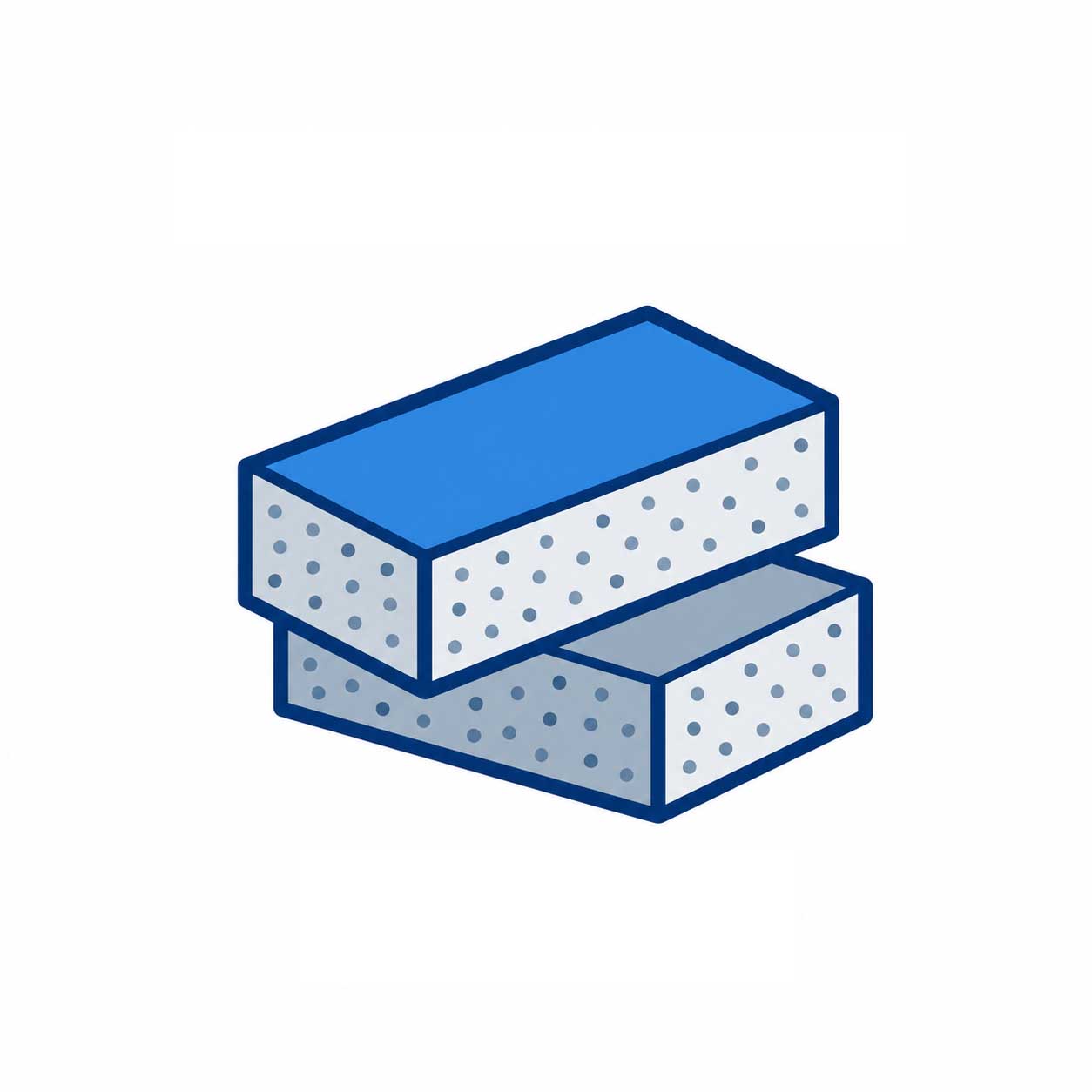
Aozhong provides Hook & Loop Sanding Discs, Mesh Sanding Discs, Sanding Sheets, Sanding Rolls, Sanding Sponges, Foam Abrasives, Non-Woven Abrasives, and fine sanding products for different staircase refinishing stages.
The key is to match the abrasive to the shape and finishing requirement.
A staircase contains several different sanding surfaces.
Using the same abrasive format everywhere is usually inefficient.
| Stair Area | Main Sanding Challenge | Aozhong Product Direction |
|---|---|---|
| Stair Tread | Flatness and old finish | Hook & Loop Sanding Disc |
| Stair Riser | Vertical surface control | Disc / Sanding Sheet |
| Handrail | Curved profile | Sanding Sponge |
| Baluster / Spindle | Small curved surface | Sponge / Sanding Roll |
| Stair Nosing | Rounded edge | Flexible Abrasive |
| Inside Corner | Limited access | Sanding Sheet |
| Decorative Profile | Shape conformity | Foam / Sponge Abrasive |
The main selection rule is:
Flat surface = more support
Curved surface = more flexibility
A firm abrasive helps maintain flatness on stair treads.
A sanding sponge or flexible abrasive is better suited to handrails, rounded edges, and turned balusters.
Not every staircase needs to be completely sanded back to bare wood.
The existing coating should first be checked.
| Existing Finish Condition | Main Requirement | Sanding Direction |
|---|---|---|
| Loose / Peeling Paint | Remove unstable coating | Coarse / medium abrasive |
| Thick Old Varnish | Finish removal | Sanding Disc / Sheet |
| Stable Existing Finish | Light surface preparation | Fine abrasive |
| Local Damage | Repair and blend | Disc / Sponge |
| Bare Wood Area | Scratch refinement | Medium / fine abrasive |
If the old coating is stable and the new paint system allows recoating over the existing finish, light sanding may be enough.
If the project will be stained, more complete removal of the previous coating may be required so the stain can interact evenly with the wood.
A practical rule is:
Remove what interferes with the next finish, not automatically every layer on the staircase.
Grit selection depends on how much material needs to be removed.
A coarse abrasive can remove old varnish and deep defects quickly, but it also leaves deeper scratches.
A finer abrasive gives better surface refinement but is inefficient for heavy removal.
The following ranges are general starting references.
| Sanding Stage | Reference Grit Range | Main Purpose |
|---|---|---|
| Heavy Finish Removal | P40–P80 | Remove thick coating or major defects |
| Initial Wood Sanding | P80–P120 | Level wood and remove coarse scratches |
| General Refinement | P120–P180 | Reduce previous sanding marks |
| Fine Preparation | P180–P240 | Prepare for finishing |
| Between-Coat Sanding | P240+ | Fine coating refinement where required |
The correct sequence depends on:
The important rule is:
Each grit should remove the scratch pattern from the previous stage.
Large grit jumps may leave scratches visible after staining or clear coating.
This is one of the most important differences between staircase sanding and normal flat-panel sanding.
Handrails and balusters contain curves, small radii, and changing profiles.
Rigid sandpaper can create uneven pressure on these surfaces.
Aozhong Sanding Sponges and Foam Abrasives are useful where the abrasive needs to follow the shape.
| Stair Component | Main Requirement | Product Direction |
|---|---|---|
| Round Handrail | Follow curved profile | Sanding Sponge |
| Baluster / Spindle | Flexible contact | Sponge / Roll |
| Stair Nosing | Rounded edge control | Foam Abrasive |
| Decorative Profile | Shape conformity | Flexible Sponge |
| Small Corner | Hand control | Sanding Sheet |
A simple rule is:
Firm abrasive = leveling
Flexible abrasive = contour following
Flexible abrasives should not replace firm sanding when the surface still needs actual leveling.
They are more useful once the basic shape is correct.
A staircase cannot usually be refinished efficiently with only one sanding method.
Machine sanding is faster on large flat areas.
Hand sanding gives better control in detailed or difficult areas.
| Application | Machine Sanding | Hand Sanding |
|---|---|---|
| Large Stair Tread | Excellent | Slower |
| Stair Riser | Good | Good |
| Stair Edge | Good | Excellent |
| Handrail | Limited | Excellent |
| Baluster | Limited | Excellent |
| Inside Corner | Poor | Excellent |
| Final Detail Work | Limited | Excellent |
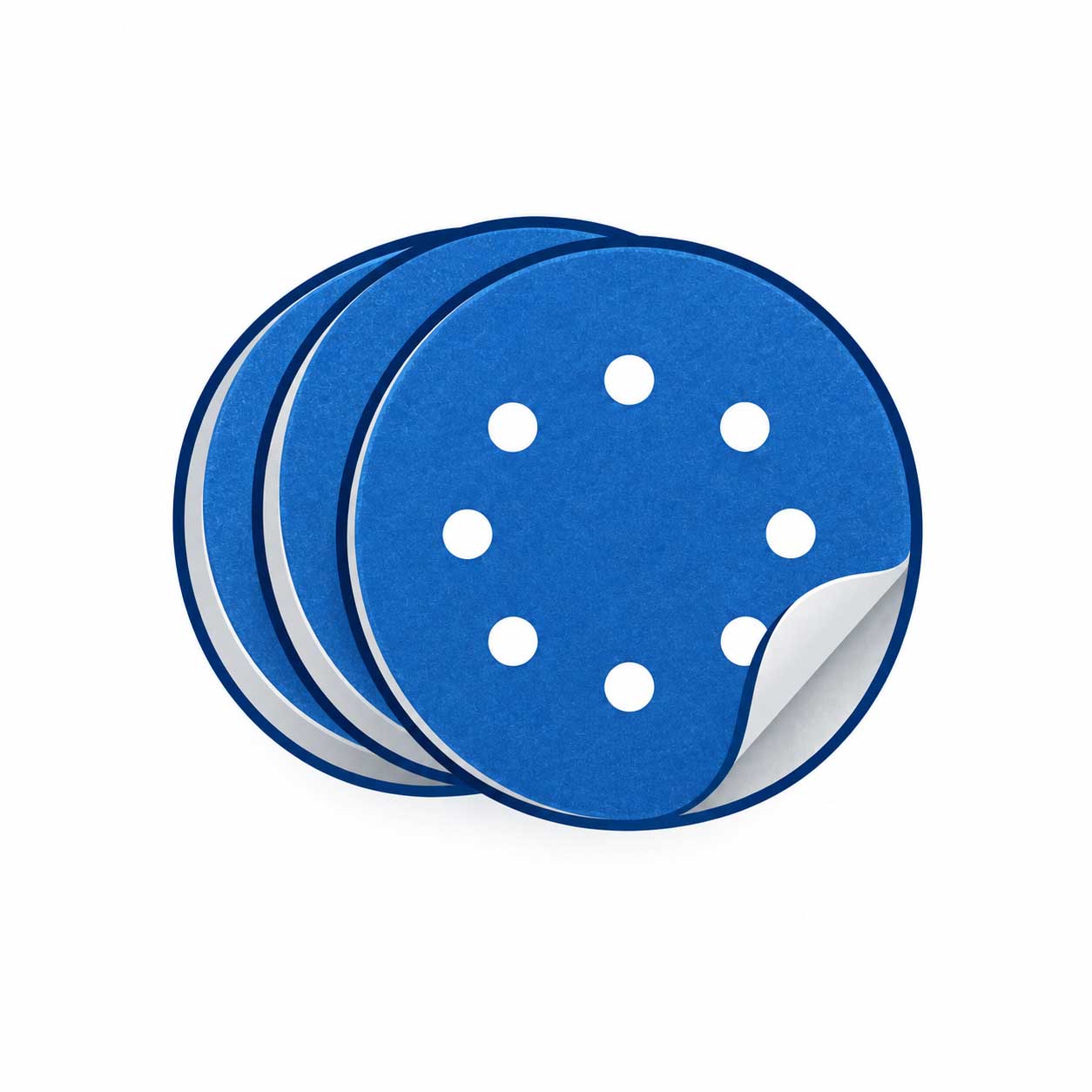
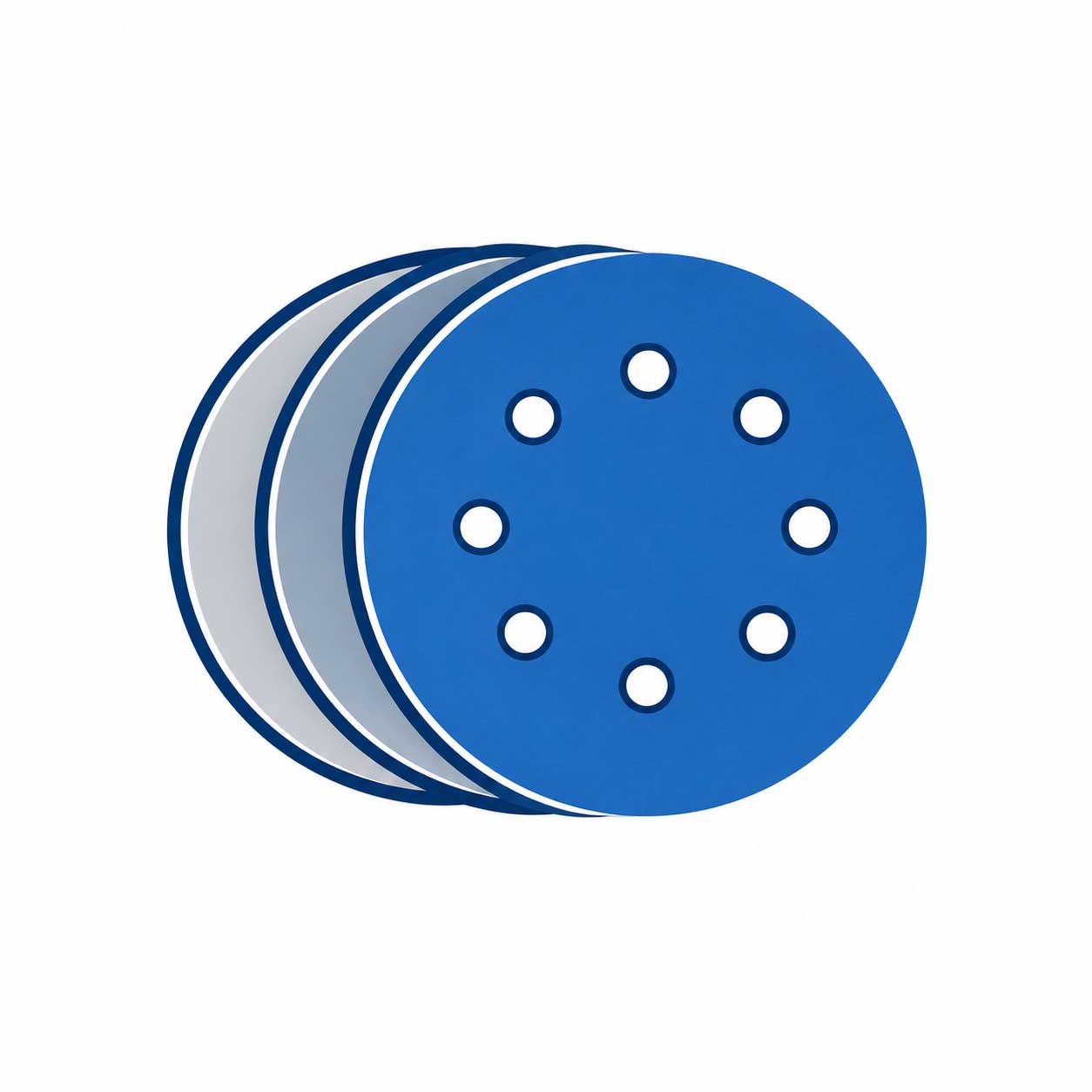
Aozhong Hook & Loop Sanding Discs can be used for larger accessible areas.
Sanding Sheets, Rolls, Sponges, and Foam Abrasives are more suitable for handrails, balusters, corners, and detail work.
The practical process is:
Machine Sanding for Coverage → Hand Sanding for Control
This helps avoid over-sanding small staircase details.
The final finish changes the sanding strategy.
Stain usually makes the wood grain and sanding marks more visible.
The surface therefore needs:
Old paint, varnish, or sealer may need to be removed more completely.
Painting focuses more on:
The old coating does not always need to be removed completely if it remains stable and compatible with the new coating system.
| Final Finish | Main Sanding Goal |
|---|---|
| Stain | Uniform bare wood and scratch pattern |
| Clear Coat | Fine scratch control |
| Paint | Stable, smooth preparation surface |
| Repainting | Light scuffing or defect correction |
| Between Coats | Fine surface refinement |
A complete staircase sanding kit should include more than several grit sizes of flat sandpaper.
The product mix should cover flat areas, curves, details, and final preparation.
| Staircase Refinishing Task | Aozhong Product Direction |
|---|---|
| Old Finish Removal | Sanding Disc / Sheet |
| Stair Tread Sanding | Hook & Loop Sanding Disc |
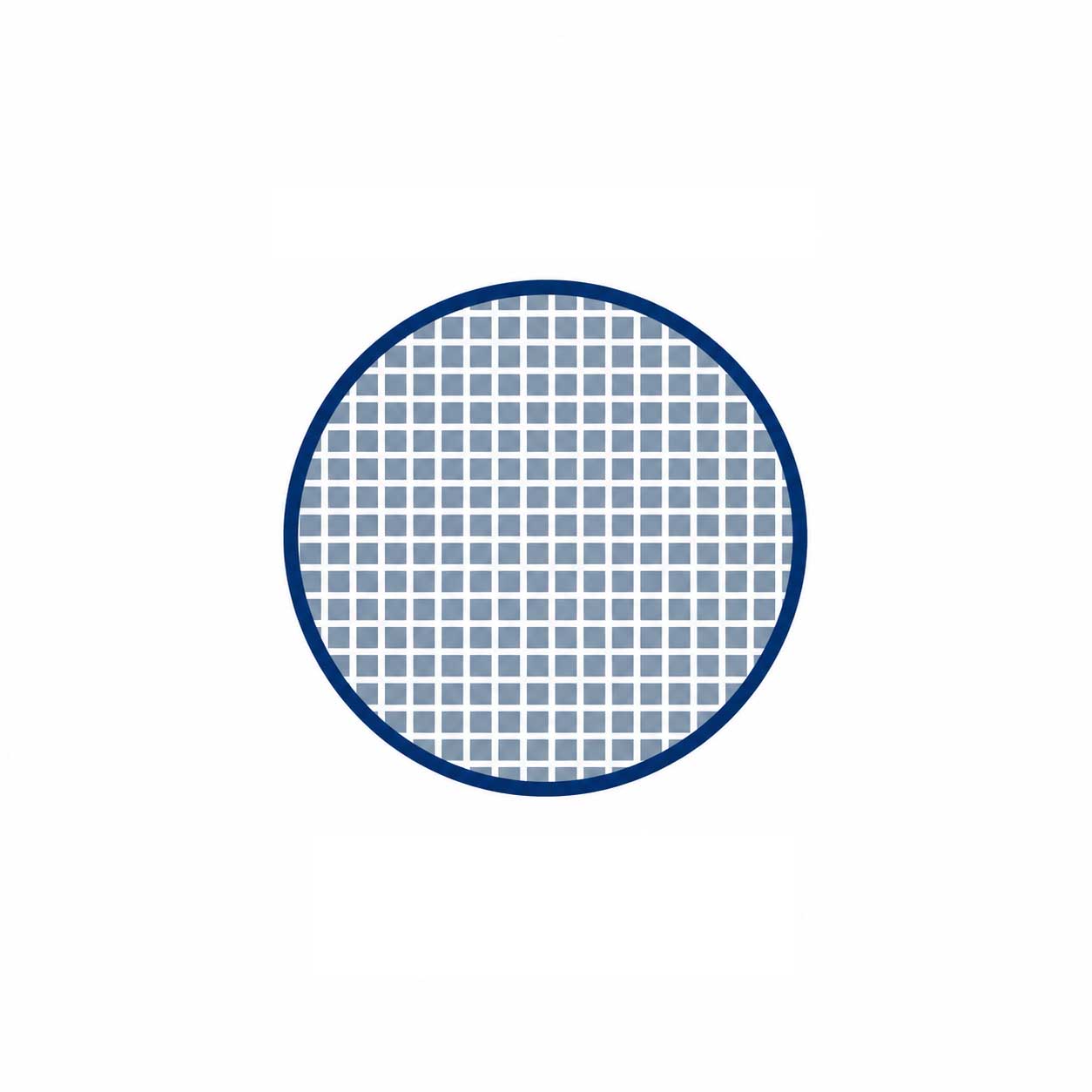
| Dust-Controlled Sanding | Mesh Sanding Disc |
| Handrail Sanding | Sanding Sponge |
| Baluster Sanding | Sponge / Sanding Roll |
| Stair Nosing | Foam Abrasive |
| Corner Sanding | Sanding Sheet |
| Fine Preparation | Fine Sanding Abrasive |
| Light Surface Conditioning | Non-Woven Abrasive |
Wooden staircase refinishing requires both flat-surface sanding and flexible detail sanding.
Hook & Loop Sanding Discs are useful for stair treads and larger flat areas. Sanding Sheets and Rolls provide better access to corners and narrow areas. Sanding Sponges and Foam Abrasives are especially useful for handrails, balusters, rounded edges, and decorative profiles.
A practical selection method is:
Stair Area → Existing Finish → Sanding Stage → Surface Shape → Final Finish
The goal is not to remove as much wood as possible.
It is to remove only what is necessary and leave each staircase component ready for stain, paint, or the selected coating system.
Yes. Different staircase areas require different abrasive formats. Aozhong can provide Hook & Loop Sanding Discs for flat areas, Sanding Sheets and Rolls for hand sanding, and Sanding Sponges or Foam Abrasives for handrails, balusters, rounded edges, and profiles.
Yes. Depending on the product, sanding sponges can be customized in grit, size, foam thickness, hardness, abrasive type, shape, color, logo, and packaging. Different structures can be evaluated for curved handrails, stair nosing, and detailed wood profiles.
Yes. Aozhong can provide Mesh Sanding Discs for compatible sanding systems. Buyers should provide the disc diameter, grit range, backing-pad structure, sander type, and dust-extraction requirements when confirming the product specification.
Yes. Sample testing is recommended. Buyers can evaluate cutting performance, scratch pattern, flexibility, loading, abrasive life, and compatibility with different staircase surfaces before confirming a bulk order or retail kit.
Yes. Aozhong supports OEM and private-label programs for distributors, woodworking suppliers, DIY retailers, and home-improvement channels. Depending on the product, customization can include grit, dimensions, backing, sponge structure, labels, logo, barcode, and packaging.