A bowling ball surface changes through use, cleaning, and resurfacing. Scratches, oil residue, and changes in surface texture can affect how the ball interacts with the lane.
Sanding and polishing serve different purposes. Sanding changes the surface texture, while polishing can produce a smoother surface. The effect on ball motion depends on the coverstock, lane oil pattern, and the bowler's delivery. A smoother finish does not automatically produce a better result for every playing condition.
At Aozhong, we approach bowling ball surface finishing as an abrasive selection problem. The objective is to match the abrasive to the material, the required surface texture, and the finishing method.
| Surface Condition | Processing Objective | Abrasive Direction |
|---|---|---|
| Visible Surface Scratches | Reduce scratch depth | Sanding abrasive |
| Worn or Changed Texture | Restore the specified surface condition | Fine sanding pad |
| Sanded Surface Requiring Further Refinement | Refine the scratch pattern | Finer abrasive |
| Surface Requiring a Polished Finish | Produce the required surface appearance | Compatible polishing product |
The correct process should be based on the ball manufacturer's surface recommendations, not appearance alone.
Bowling balls can use different coverstock materials, including reactive resin, urethane, and polyester. These materials can respond differently to abrasion.
The abrasive should be selected according to the material and the required surface change.
| Coverstock Type | Main Consideration | Selection Direction |
|---|---|---|
| Reactive Resin | Surface texture and scratch pattern | Test a suitable sanding sequence |
| Urethane | Material compatibility and surface consistency | Evaluate the abrasive on the specified coverstock |
| Polyester | Surface damage and scratch visibility | Use controlled material removal |
| Unknown or Mixed Surface | Material identification | Confirm the ball specification before processing |
Abrasive selection should also consider the shape of the ball. A rigid abrasive may produce uneven contact if pressure is concentrated in a small area.
At Aozhong, we would evaluate fine sanding sheets, flexible abrasive formats, and suitable finishing products according to these requirements. We recommend testing samples before confirming a product specification for bowling ball applications.
Grit determines the scale of the abrasive action, but the number alone does not define the final surface.
A coarser abrasive removes or changes more surface material. A finer abrasive can refine the scratch pattern left by an earlier stage. The correct sequence depends on the existing surface and the intended finish.
The following ranges are general examples of surface-finishing stages. They are not universal instructions for every bowling ball.
| Reference Grit Range | General Surface Effect | Possible Use |
|---|---|---|
| 500–1000 | Coarser surface texture | Surface adjustment where specified |
| 2000–3000 | Intermediate surface refinement | Refining an existing sanded finish |
| 4000 and Above | Finer surface texture | Further refinement before an approved finishing step |
These figures must be checked against the abrasive system being used. Different grit standards and specialized bowling-ball sanding pads may not be directly comparable.
A practical selection process is:
Inspect the Surface → Confirm the Required Finish → Select the Grit → Test the Result → Check Surface Consistency
Do not automatically move to a finer grit simply because it produces a smoother appearance. The intended surface texture should match the ball's specifications and the player's requirements.
Sanding and polishing are separate processes. Sanding changes surface texture through abrasion, while polishing is used to produce a specified surface appearance and texture.
The correct choice depends on the starting condition and the desired result.
| Feature | Sanding | Polishing |
|---|---|---|
| Main Purpose | Change surface texture | Refine surface appearance and texture |
| Typical Material | Sanding pad, sheet, or suitable abrasive | Compatible polishing product |
| Surface Result | Depends on grit and process | Depends on compound and process |
| Main Control | Grit, pressure, coverage | Product compatibility, application, coverage |
| Key Risk | Uneven scratches or excessive removal | Uneven finish or incompatible residue |
A polished finish is not automatically suitable for every lane condition, and a sanded finish is not automatically better for every bowler. The effect depends on the interaction between the ball surface and lane conditions.
At Aozhong, we distinguish between the abrasive used to prepare the surface and the product used for the final polishing stage. The two should be selected as parts of the same process rather than treated as interchangeable products.
A bowling ball has a curved surface. The abrasive must make consistent contact without creating localized flat spots or uneven scratch patterns.
For this reason, backing flexibility and pressure distribution matter.
| Abrasive Format | Potential Application | Main Consideration |
|---|---|---|
| Fine Sanding Sheet | Manual surface work | Control contact pressure |
| Flexible Abrasive Pad | Surface sanding on a curved profile | Maintain even coverage |
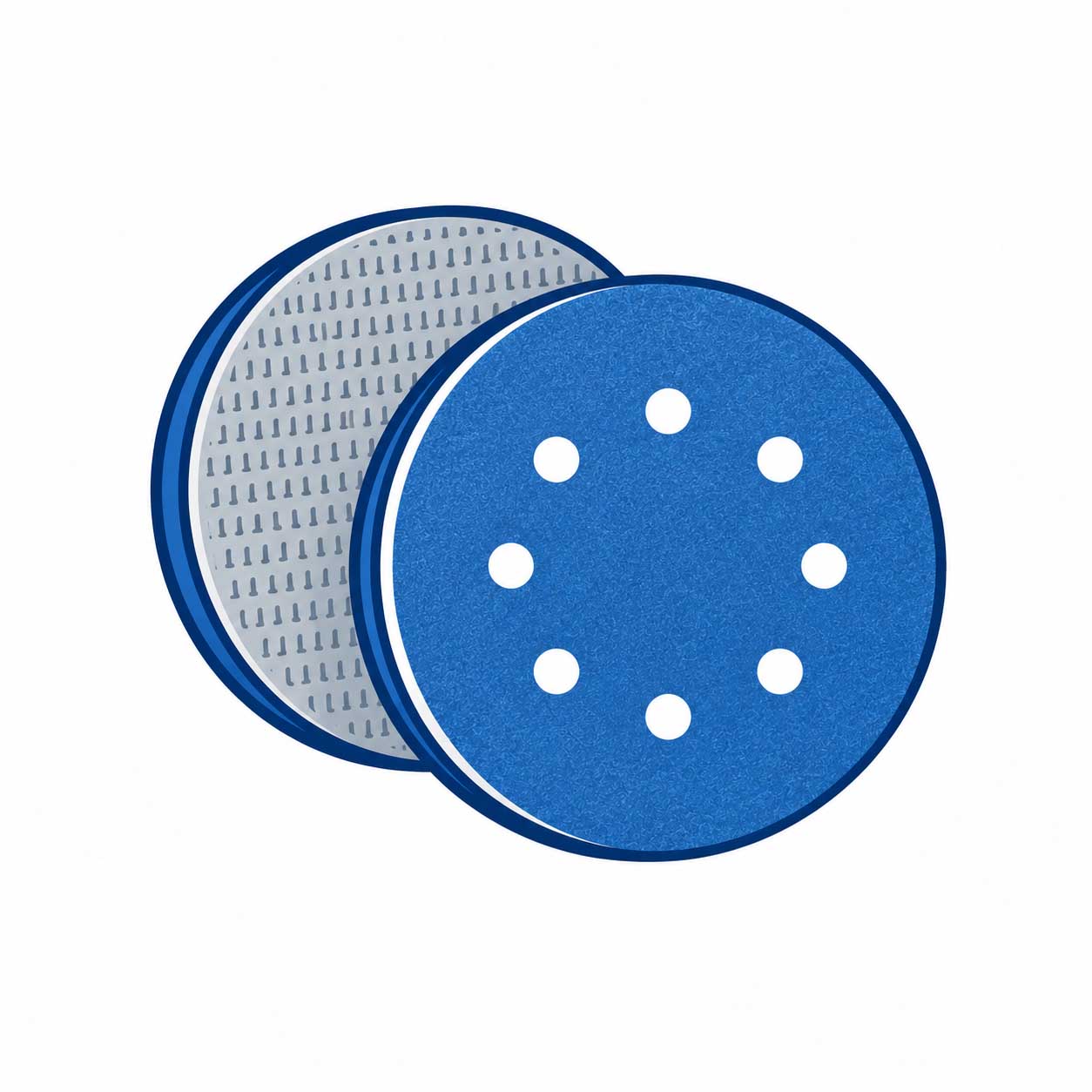
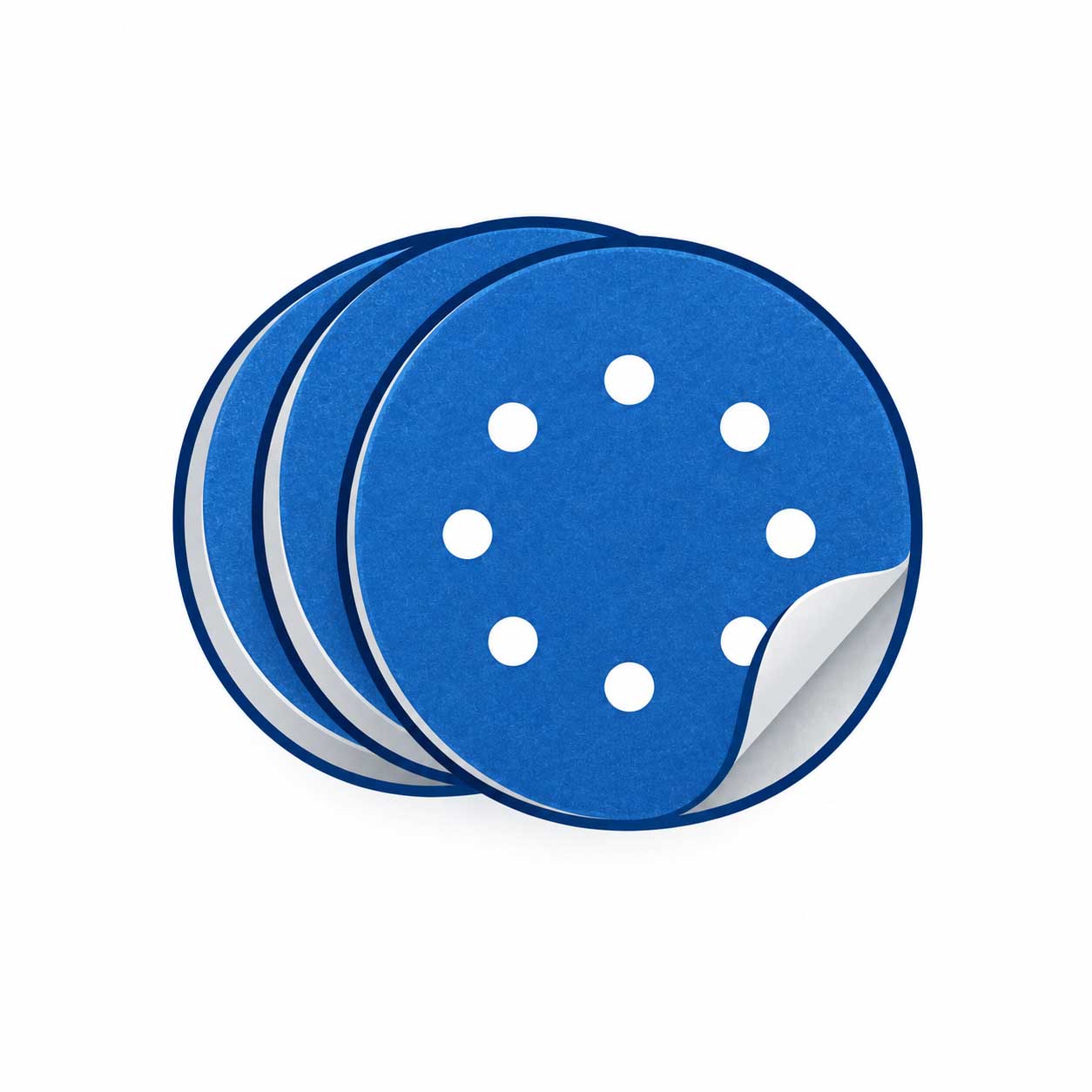
| Sanding Disc | Machine sanding where compatible | Confirm machine and backing-pad suitability |
| Sponge-Backed Abrasive | Flexible contact | Check compression and pressure distribution |
| Polishing Product | Final surface treatment | Confirm compatibility with the coverstock |
Aozhong's fine sanding materials and flexible abrasive formats can be evaluated for this type of application. However, suitability must be confirmed through testing on the actual bowling ball material.
Abrasives designed for flat metal or wood surfaces should not be assumed to produce the same result on a spherical coverstock. The backing, contact area, and finishing method all need to be considered.
Uneven sanding can create different surface textures across the ball. These differences may affect the result and make repeatable maintenance more difficult.
Several process factors need attention:
| Problem | Possible Cause | What to Check |
|---|---|---|
| Uneven Scratch Pattern | Inconsistent pressure or coverage | Sanding method |
| Deep Scratches | Grit too coarse or previous marks not removed | Grit progression |
| Local Flat Spots | Concentrated pressure or unsuitable backing | Contact area and technique |
| Inconsistent Finish | Different processing conditions | Abrasive condition and process |
| Poor Repeatability | Unrecorded grit or finishing steps | Process documentation |
There is also an important competition rule to consider. Under USBC Rule 18, a ball's surface cannot be altered with an abrasive once certified league or tournament competition has begun. The current equipment manual also states that if a ball is sanded or polished, its entire surface must be treated in the same manner. Always check the current rules and event requirements before processing a ball for competition.
For abrasive distributors, sports-equipment suppliers, and potential OEM customers, product selection should begin with the application and the required surface result.
At Aozhong, we can assess fine sanding materials, flexible abrasive formats, and polishing-related product requirements for this application. Any bowling-ball-specific product specification should be confirmed through sample testing rather than assumed from a general-purpose abrasive specification.
| Buyer Requirement | Information to Provide |
|---|---|
| Ball Material | Reactive resin, urethane, polyester, or other specified material |
| Processing Stage | Sanding, surface refinement, or polishing |
| Target Surface | Required texture or finish |
| Abrasive Format | Sheet, pad, disc, or other format |
| Grit | Required grit and grit standard |
| Processing Method | Manual or machine-assisted |
| Order Type | Sample evaluation, bulk purchase, or OEM project |
| Packaging | Bulk, retail, or private-label requirements |
Aozhong offers sanding and finishing product categories that can be evaluated for this application. Bowling ball suitability depends on the coverstock, abrasive structure, grit, and finishing method. We recommend sample testing before confirming a product for this specific use.
Depending on the product, customization may include dimensions, grit, backing structure, and packaging. For bowling ball applications, the intended coverstock and required surface finish should be provided before the specification is finalized.
Yes. Sample testing can help buyers evaluate scratch consistency, surface appearance, material compatibility, and repeatability. Testing should use the intended bowling ball material and processing method.
Yes. Aozhong supports OEM and private-label projects for industrial buyers and distributors. Depending on the product, options may include grit, dimensions, backing, printing, labeling, and packaging.
Aozhong's abrasive production and converting operations include processes such as lamination, adhesive backing application, slitting, die-cutting, hole punching, and finished-product packaging. These capabilities support the development of abrasive products in different formats. The final specification for bowling ball applications should be confirmed through testing.