Drywall and wall sanding is mainly about creating a flat, clean, and consistent surface before primer or paint.
Unlike heavy metal grinding, wall sanding usually does not require aggressive material removal. The main challenges are fine dust, uneven filler, sanding marks, corners, repair patches, and surface preparation before coating.
A practical abrasive selection method is:
Surface Condition → Sanding Stage → Dust Requirement → Surface Shape → Final Paint Preparation
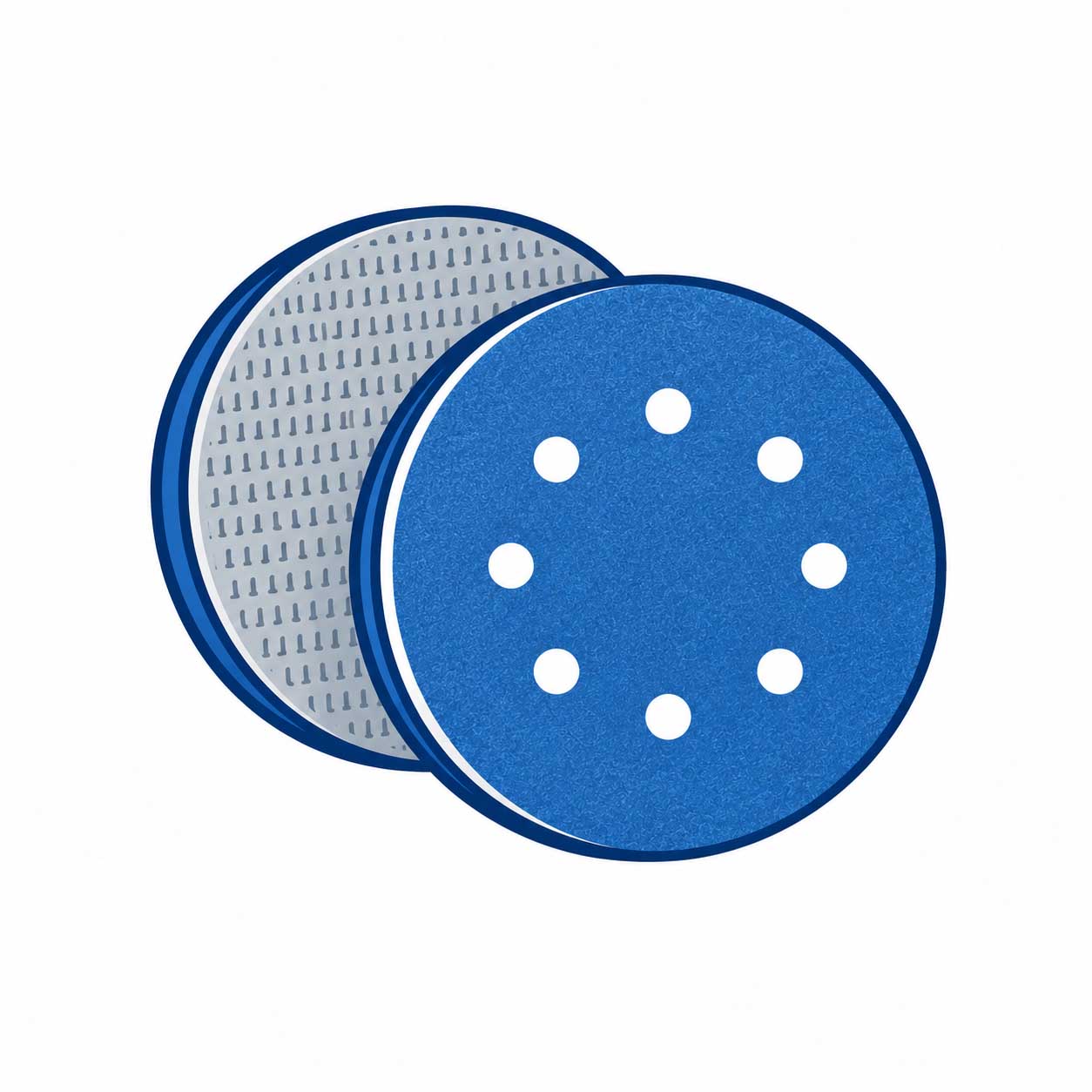
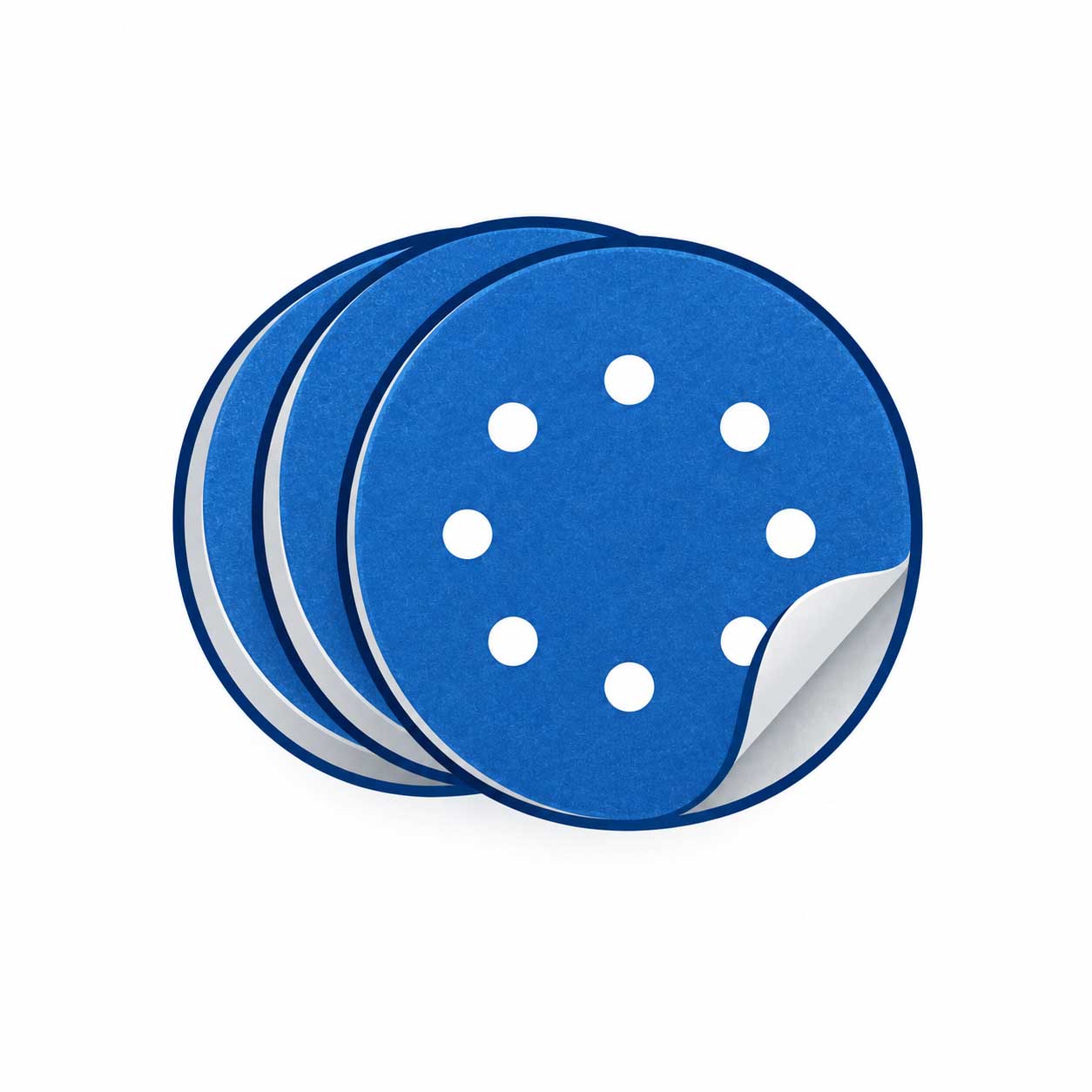
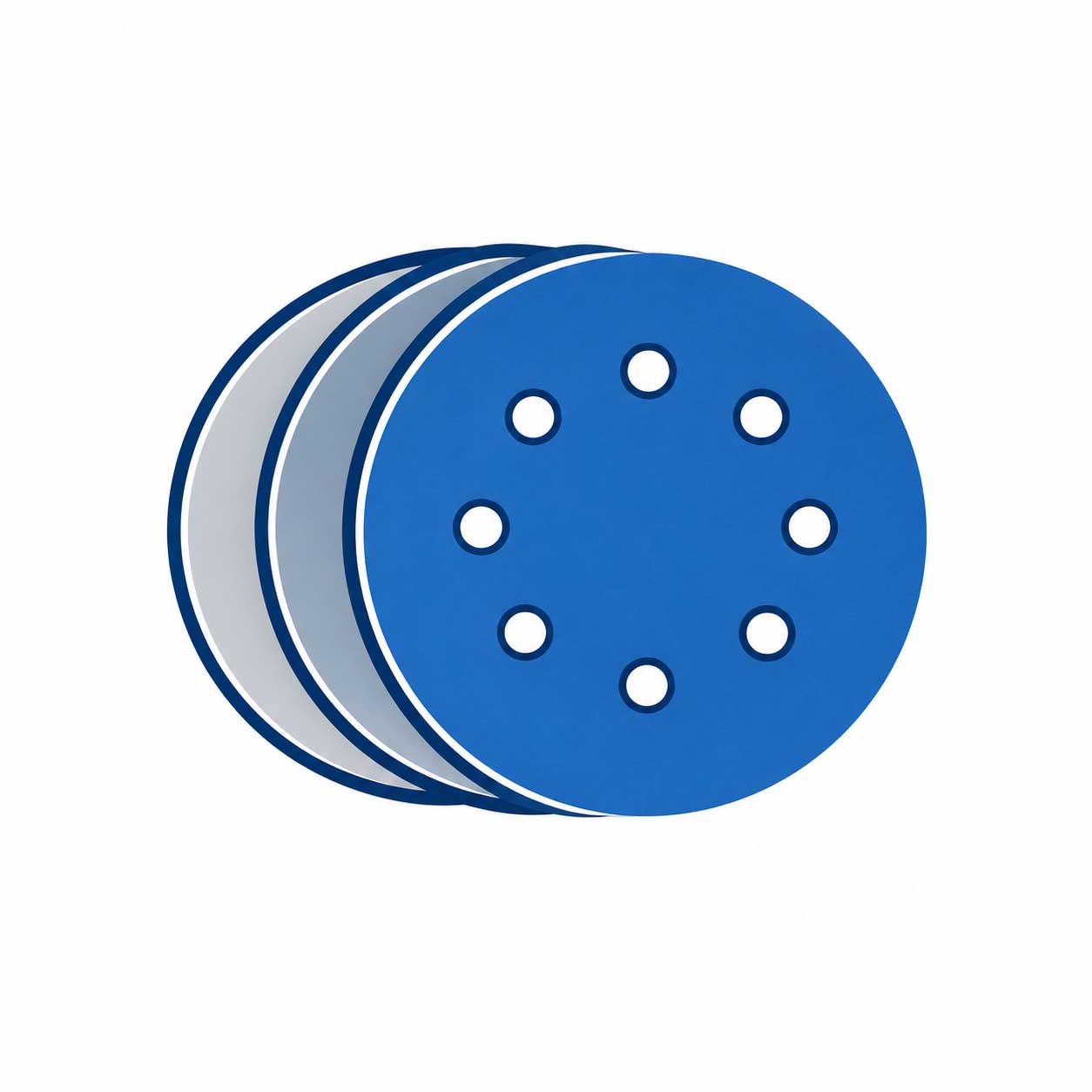
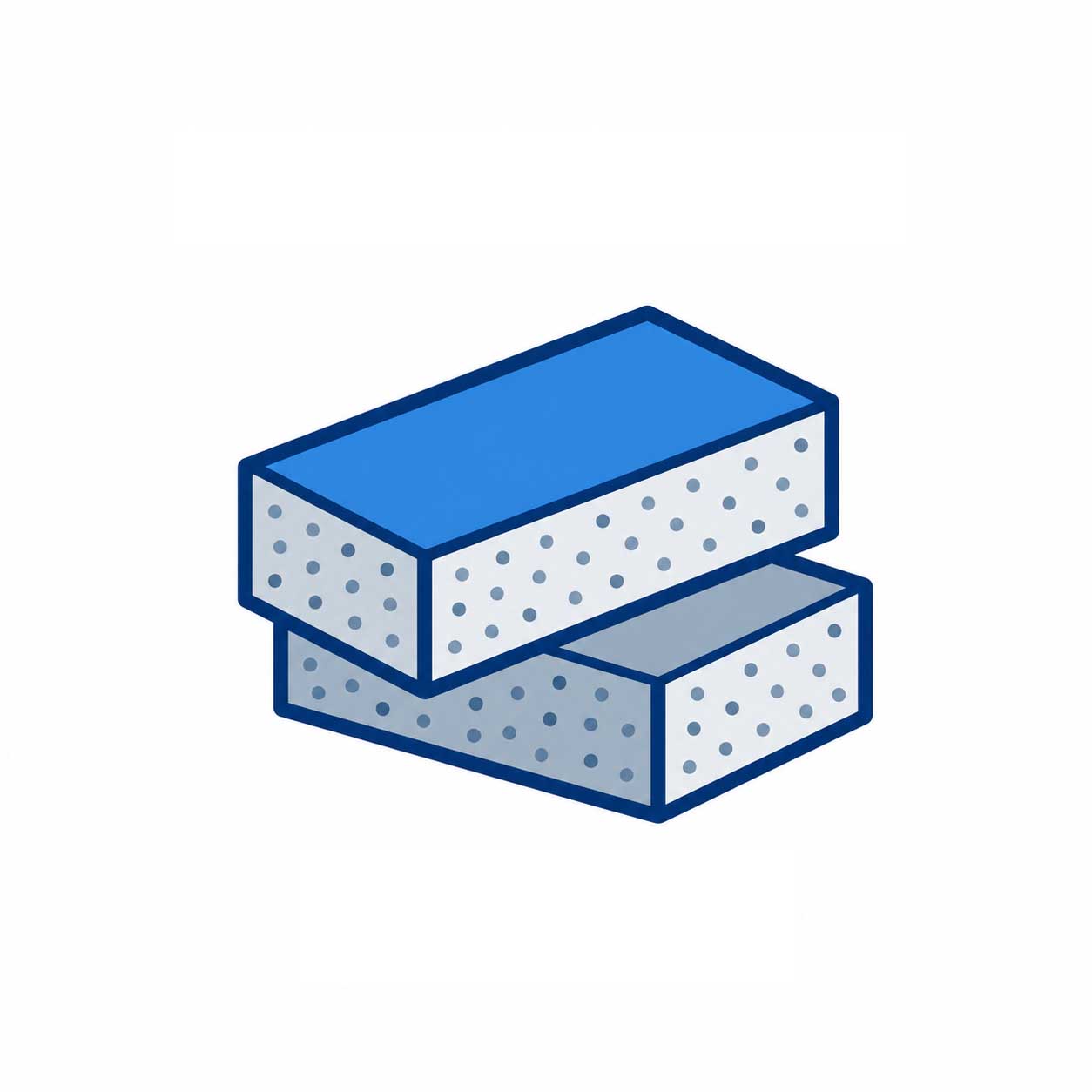
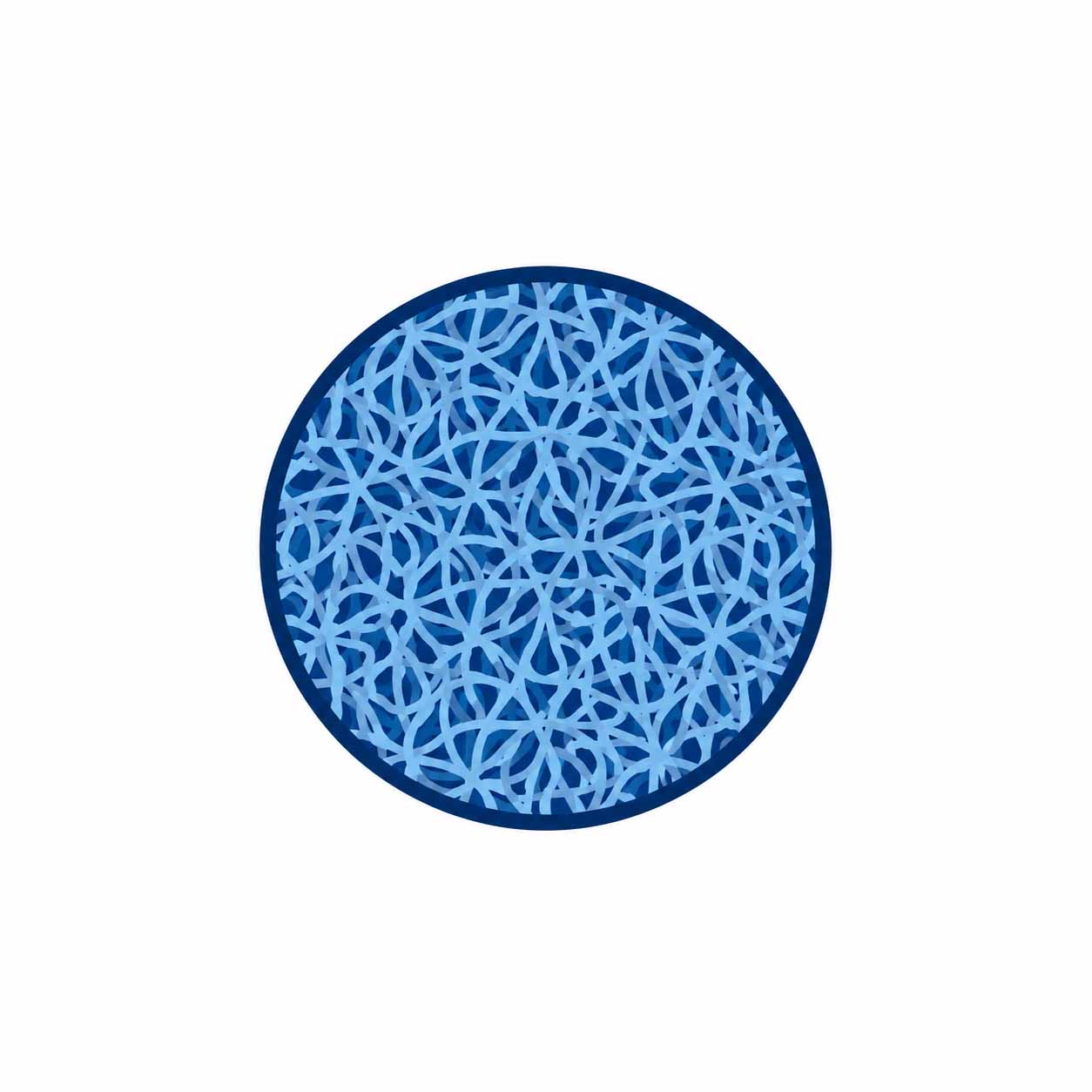
Aozhong provides Mesh Sanding Discs, Multi-Hole Sanding Discs, Hook & Loop Sanding Discs, Sanding Sponges, Sanding Sheets, Sanding Rolls, and other abrasive formats suitable for different wall-finishing stages.
Not every wall surface should be sanded in the same way.
Joint compound, wall putty, primer, and existing paint all behave differently during sanding.
| Surface | Main Sanding Challenge | Abrasive Direction |
|---|---|---|
| Joint Compound | Fine dust, soft surface | Mesh / fine sanding abrasive |
| Wall Putty | Leveling and dust | Mesh / sanding disc |
| Repair Patch | Local height difference | Disc / sponge / sheet |
| Primer | Fine scratch control | Fine disc / film abrasive |
| Existing Paint | Light scuffing or defect removal | Fine abrasive |
| Inside Corners | Limited access | Sanding sponge |
| Large Flat Wall | Efficiency and dust extraction | Mesh / multi-hole disc |
The main rule is:
Choose the abrasive according to the surface condition and sanding stage, not grit alone.
For example, P180 may work well for fine putty refinement but may be too fine for removing a high repair ridge.
The objective of joint compound or wall putty sanding is not simply to make the surface feel smooth.
The process normally includes:
Remove High Spots → Feather Edges → Refine Scratches → Prepare for Primer
A general grit reference can be:
| Sanding Stage | Reference Grit Range | Main Purpose |
|---|---|---|
| Heavy Leveling | P80–P120 | Remove high spots and excess material |
| General Putty Sanding | P120–P180 | Level and refine the surface |
| Fine Wall Preparation | P180–P240 | Reduce sanding scratches |
| Primer Refinement | P240+ | Fine preparation where required |
These grit ranges are starting references rather than fixed rules.
The correct grit depends on:
Using a grit that is too coarse can leave deep scratches.
Using a grit that is too fine too early can reduce sanding efficiency.
The better approach is:
Use the finest grit that can still complete the current sanding task efficiently.
Drywall compound and wall putty can generate a large amount of fine sanding dust.
When dust stays between the abrasive and the wall surface, it can contribute to:
This is one reason mesh abrasives are useful in wall sanding.
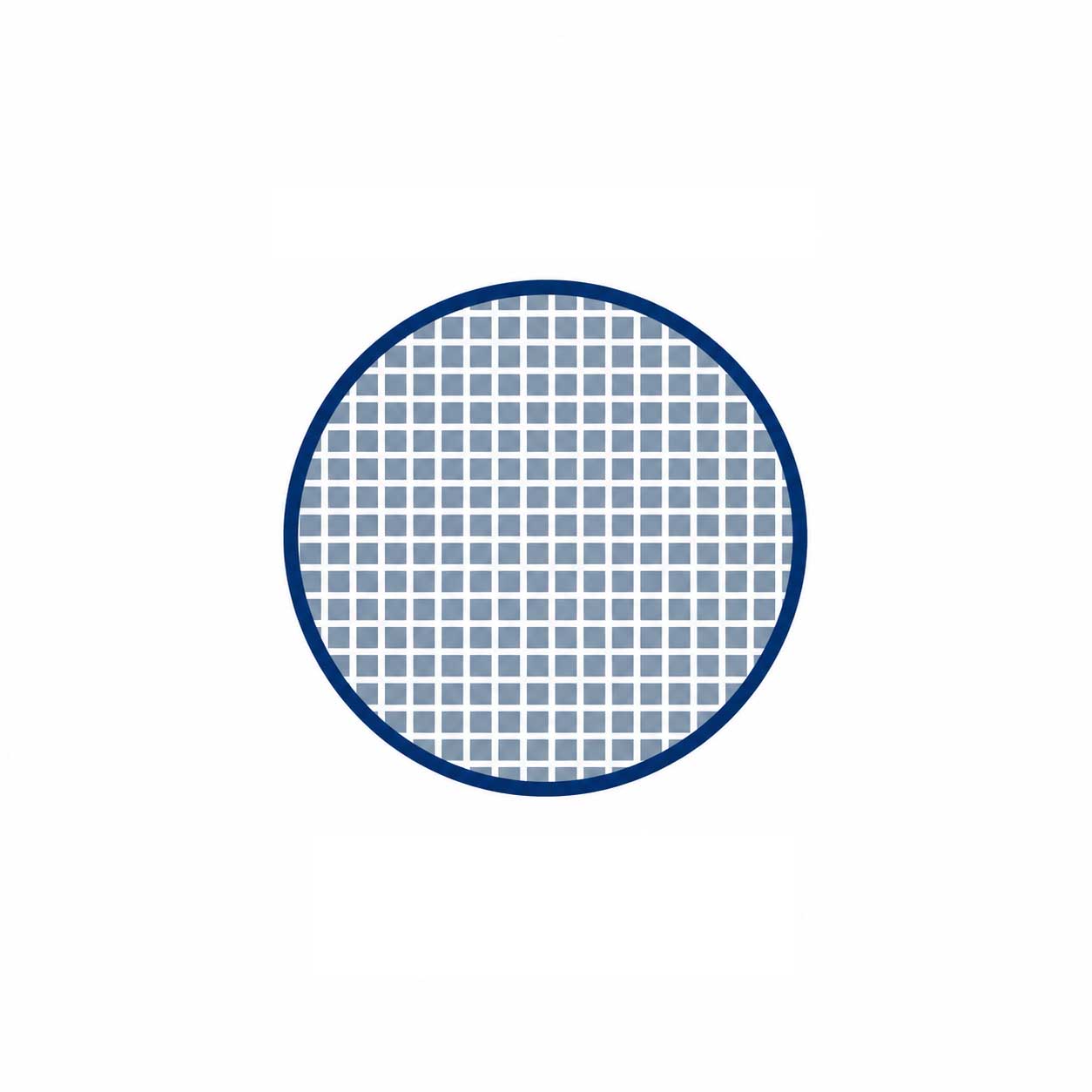
Aozhong Mesh Sanding Discs use an open structure that allows sanding debris to move through much of the abrasive surface toward a compatible extraction system.
| Feature | Mesh Sanding Disc | Multi-Hole Sanding Disc |
|---|---|---|
| Backing Structure | Open mesh | Conventional backing with multiple holes |
| Dust Path | Through open surface | Through fixed holes |
| Hole Alignment | Less dependent on individual holes | Should match backing pad |
| Typical Use | High-dust sanding | General dust-extraction sanding |
| Wall Putty | Very suitable for evaluation | Suitable |
| Primer Sanding | Suitable | Suitable |
| Main Advantage | Open dust movement | Familiar coated-abrasive structure |
Mesh is not automatically better for every wall application.
For heavier leveling, a conventional coated abrasive may provide a different cutting feel.
For fine dust-heavy sanding, mesh can be a practical option.
The full system should be considered:
Abrasive → Backing Pad → Drywall Sander → Hose → Dust Extractor
A mesh disc alone cannot solve the entire dust-control problem.
Large sanding discs work well on broad flat walls.
But walls also contain:
These areas need more flexible contact.
Aozhong Sanding Sponges use a foam core that can follow the surface more easily than a rigid sanding block.
| Wall Area | Main Requirement | Product Direction |
|---|---|---|
| Large Flat Wall | Flatness and efficiency | Mesh / Sanding Disc |
| Inside Corner | Flexible access | Sanding Sponge |
| Outside Edge | Pressure control | Sponge / Sheet |
| Repair Patch | Local blending | Sponge / Sanding Sheet |
| Narrow Area | Hand control | Sanding Sheet |
| Curved Decoration | Surface conformity | Sponge Abrasive |
A useful principle is:
Firm abrasive = leveling
Flexible abrasive = contour and pressure control
A soft sanding sponge should not replace a firm sanding tool when the repair area still needs strong leveling.
It becomes more useful during blending and final refinement.
One common mistake is trying to use one abrasive format for the entire wall-finishing process.
The sanding tool should match the size and shape of the area.
| Application | Recommended Aozhong Product Direction |
|---|---|
| Large Drywall Surface | Mesh Sanding Disc |
| Electric Drywall Sander | Mesh / Multi-Hole Disc |
| Heavy Putty Leveling | Coated Sanding Disc |
| General Wall Refinement | Hook & Loop Sanding Disc |
| Inside Corners | Sanding Sponge |
| Small Repair Patch | Sanding Sheet / Sponge |
| Manual Sanding | Sheet / Roll |
| Fine Primer Preparation | Fine Sanding Disc |
For professional contractors, a practical abrasive system usually includes several formats rather than only one type of sanding disc.
For distributors, this also makes product positioning clearer:
Machine Sanding + Hand Sanding + Detail Sanding
can be built as one wall-finishing abrasive system.
The final objective of wall sanding is usually not the sanding itself.
It is preparing the wall for:
A good wall-preparation process can be summarized as:
Level → Feather → Refine → Remove Dust → Prime / Paint
Before applying primer, check for:
The final grit should be selected according to the primer or paint system.
A surface that feels extremely smooth is not always automatically better.
The important point is that the wall should be:
flat, clean, consistent, and suitable for the next coating.
For primer refinement, Aozhong Fine Sanding Discs, Mesh Abrasives, or Film-backed products can be selected depending on the sanding method and required scratch control.
For drywall contractors, paint-tool distributors, building-material suppliers, and private-label buyers, the product range should cover the main wall-sanding stages.
| Wall Application | Aozhong Product Direction |
|---|---|
| Joint Compound Sanding | Mesh Sanding Disc |
| Wall Putty Sanding | Mesh / Sanding Disc |
| Dust Extraction Sanding | Mesh / Multi-Hole Disc |
| General Machine Sanding | Hook & Loop Sanding Disc |
| Corner Sanding | Sanding Sponge |
| Local Wall Repair | Sanding Sheet |
| Manual Sanding | Sheets / Rolls |
| Primer Refinement | Fine Sanding Disc |
| Retail DIY Kits | Sponge / Sheet / Disc Combination |
Yes. These stages may require different abrasive structures. Aozhong can provide Mesh Sanding Discs for dust-heavy sanding, conventional Hook & Loop Sanding Discs for leveling and refinement, Sanding Sponges for corners and detail areas, and finer abrasive products for primer preparation.
Yes. Depending on the product, Aozhong supports customization of disc diameter, grit, backing structure, attachment, hole configuration, printing and packaging. Buyers should provide the sanding-machine size and backing-pad information when confirming a new product.
Yes. Sanding sponge projects can be customized in grit, size, foam material, foam density, hardness, thickness, abrasive type, color, logo and packaging according to the application and order requirements. Different sponge structures can be selected for general wall sanding, corners, repair patches and hand-finishing work.
Yes. Sample testing is recommended. Buyers can compare cutting efficiency, loading, dust extraction, scratch pattern, disc fit, sponge flexibility and final wall quality before confirming a larger order. Testing with the actual joint compound or wall putty is especially useful.
Yes. Aozhong supports OEM and private-label abrasive programs for distributors, tool suppliers, building-material channels and retail brands. Depending on the product, customization can include size, grit, backing, hole pattern, sponge specifications, logo, label, barcode and packaging. Product performance should normally be confirmed before final packaging is approved.