In footwear production, the outsole and upper may need surface preparation before adhesive bonding. Depending on the material and manufacturing process, the work may include trimming, roughing, edge sanding, cleaning, and primer application.
The purpose of mechanical roughing is to remove the required surface layer and create a surface condition suitable for the next process. However, excessive sanding can damage the material, alter the shoe's shape, or leave marks outside the bonding area.
Research on footwear bonding has examined how physical surface treatment and primer application affect the peel strength of bonded polyurethane and leather substrates. This shows why surface preparation should be treated as part of the bonding process rather than an isolated sanding operation.
At Aozhong, we recommend selecting abrasives according to three questions:
| Manufacturing Stage | Main Objective | Abrasive Direction |
|---|---|---|
| Sole Trimming | Remove excess material | Coarse abrasive |
| Sole Roughing | Prepare the bonding area | Abrasive belt / sanding disc |
| Edge Sanding | Correct edges and profiles | Disc / sheet / sponge |
| Surface Refinement | Reduce unwanted scratches | Medium or fine abrasive |
| Detail Finishing | Process small or curved areas | Sanding sponge / sheet |
The exact process must follow the requirements for the sole material and adhesive system.
Footwear manufacturing uses rubber, EVA, PU, TPU, leather, and synthetic materials. These materials do not respond to sanding in the same way.
Some may load the abrasive during processing. Others may require more control over material removal to preserve the component's dimensions and surface condition.
| Material | Sanding Consideration | Product Direction |
|---|---|---|
| Rubber | Control roughing depth and surface heat | Abrasive belt / sanding disc |
| EVA Foam | Avoid excessive pressure and deformation | Suitable coated abrasive |
| PU | Control material removal and surface damage | Sanding disc / belt |
| TPU | Test cutting behavior and surface response | Application-tested abrasive |
| Leather | Control removal of the surface finish | Sanding sheet / disc |
| Synthetic Upper Materials | Avoid damage to coatings and layers | Fine abrasive / sponge |
These are starting points for product evaluation, not universal specifications. Material formulations, surface coatings, and equipment can change the results.
For example, an abrasive that removes material from a rubber outsole efficiently may leave an unsuitable surface on a foam midsole.
We recommend testing the abrasive on the actual production material before confirming the final grit and backing structure.
The choice depends on the equipment, production volume, component geometry, and sanding task.
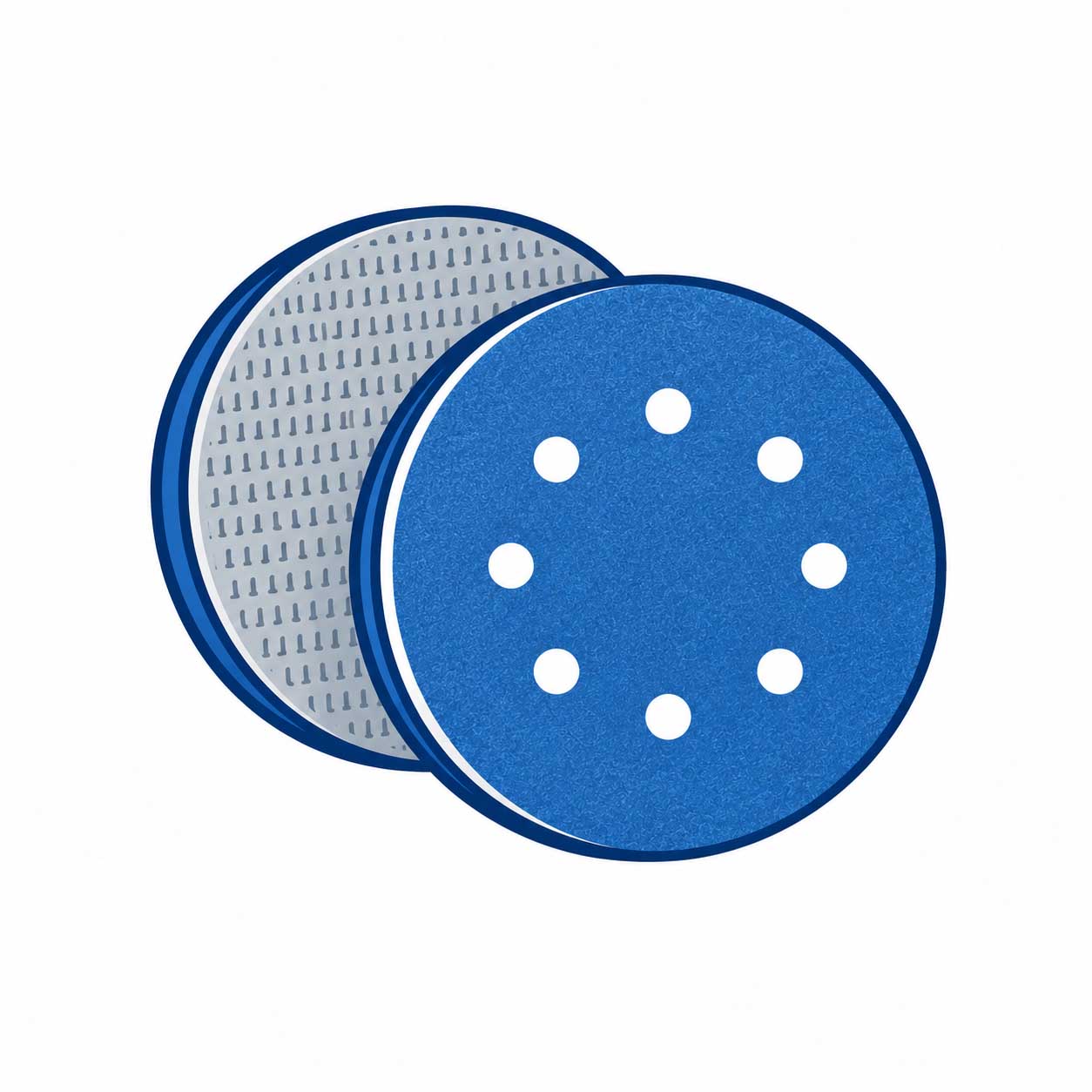
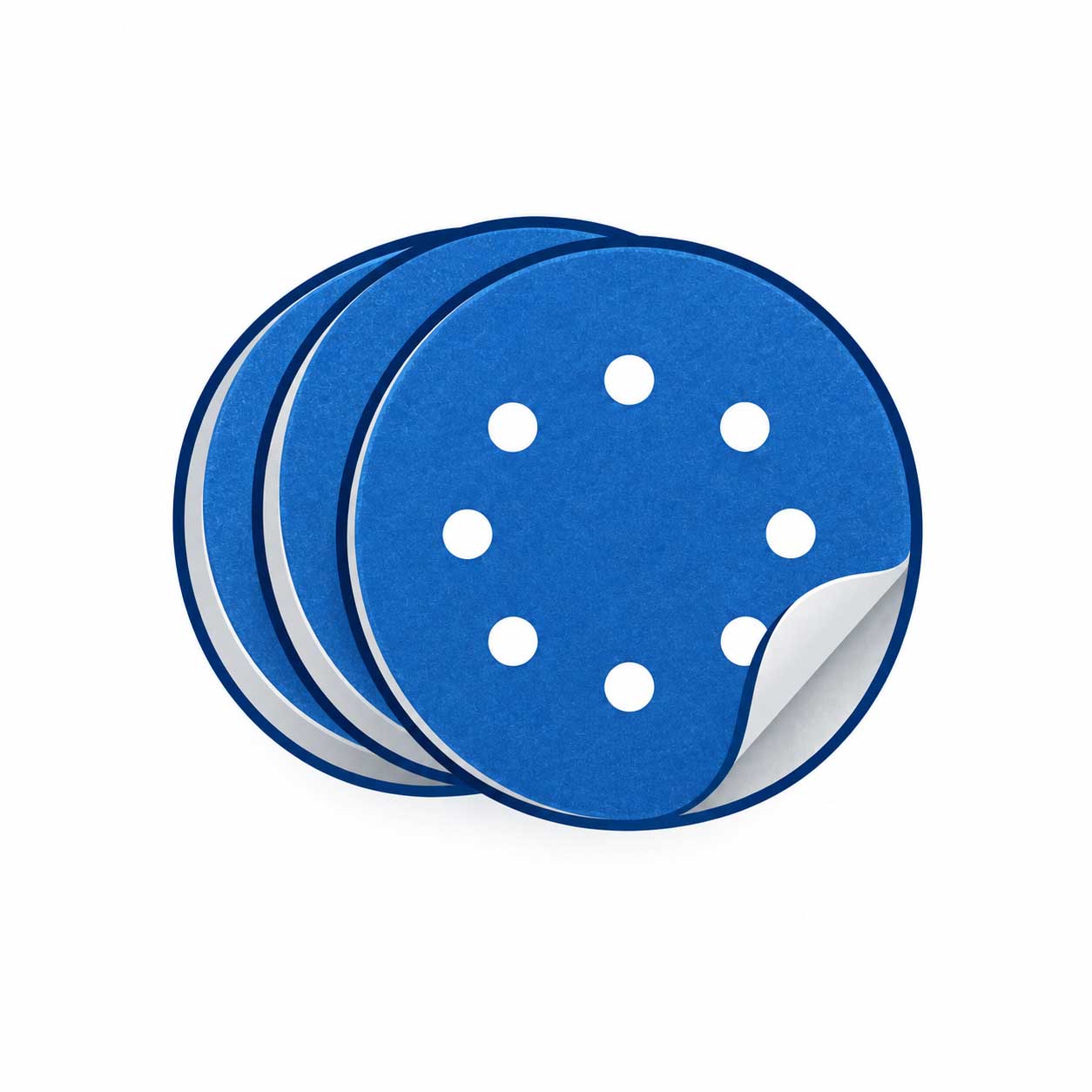
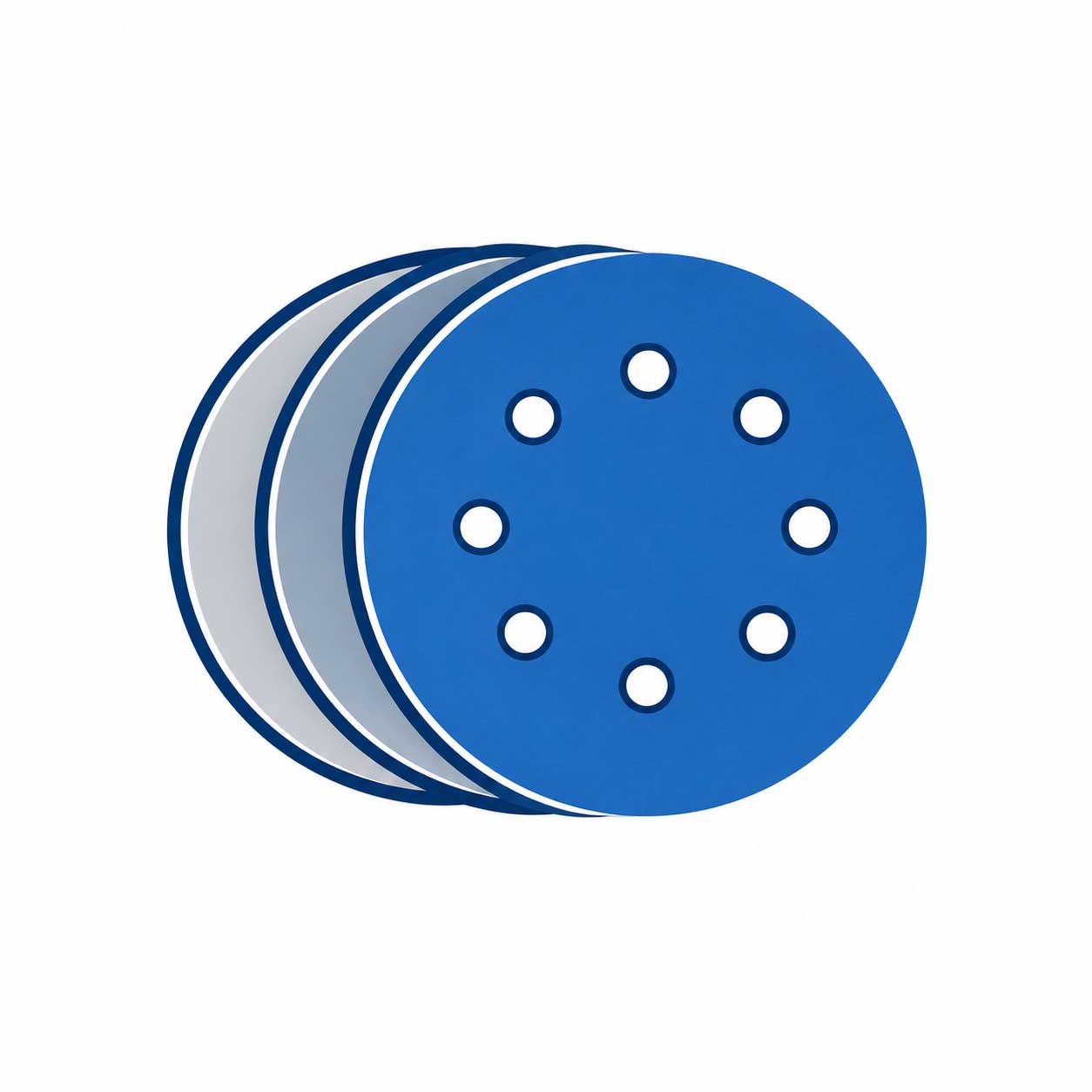
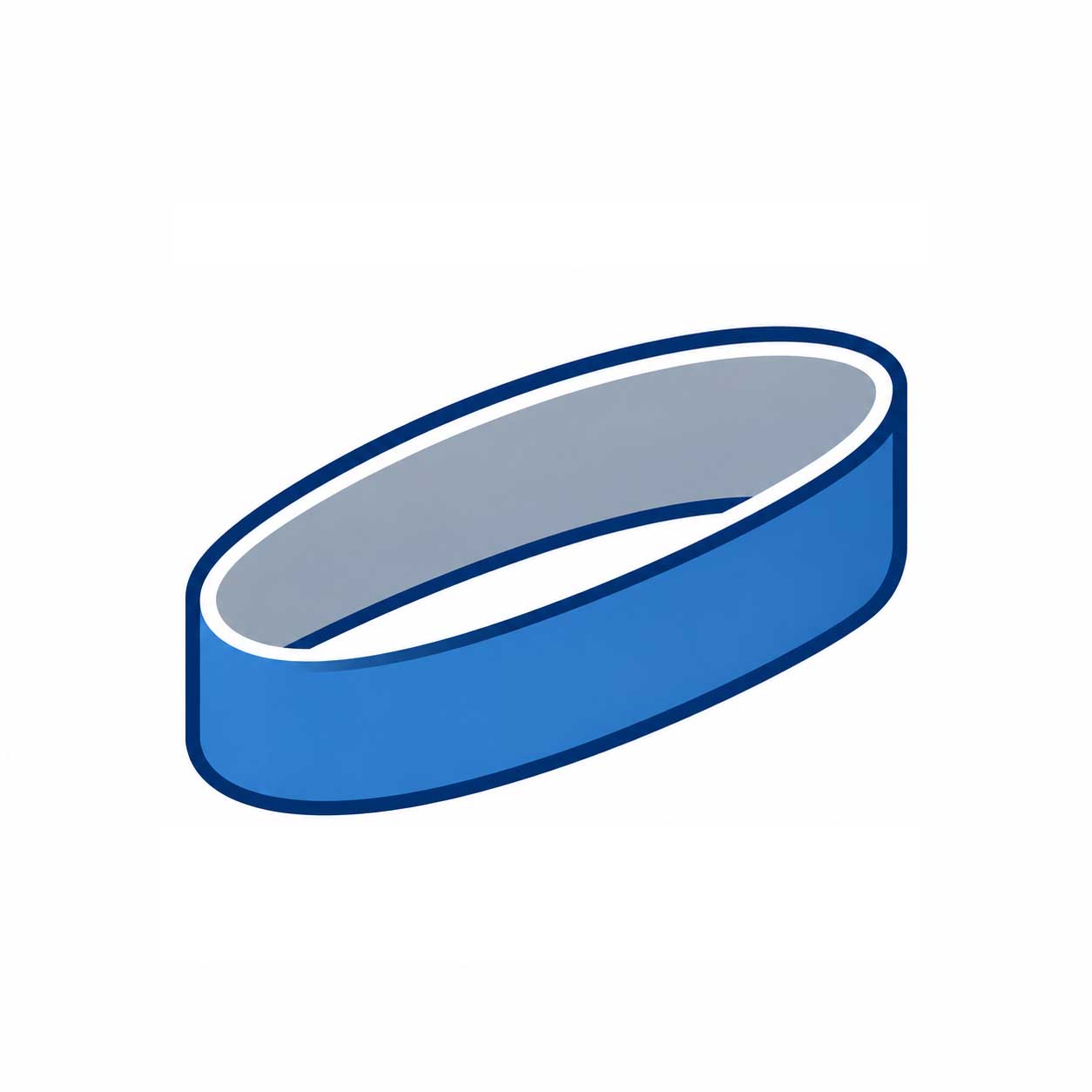
Abrasive belts are suitable for compatible continuous sanding operations. Sanding discs can be used for localized processing and machine sanding. Sheets and sponges provide options for manual work and areas that are difficult to reach.
| Product | Main Application | Selection Consideration |
|---|---|---|
| Abrasive Belt | Continuous sanding and roughing | Belt dimensions, joint, grit, and machine |
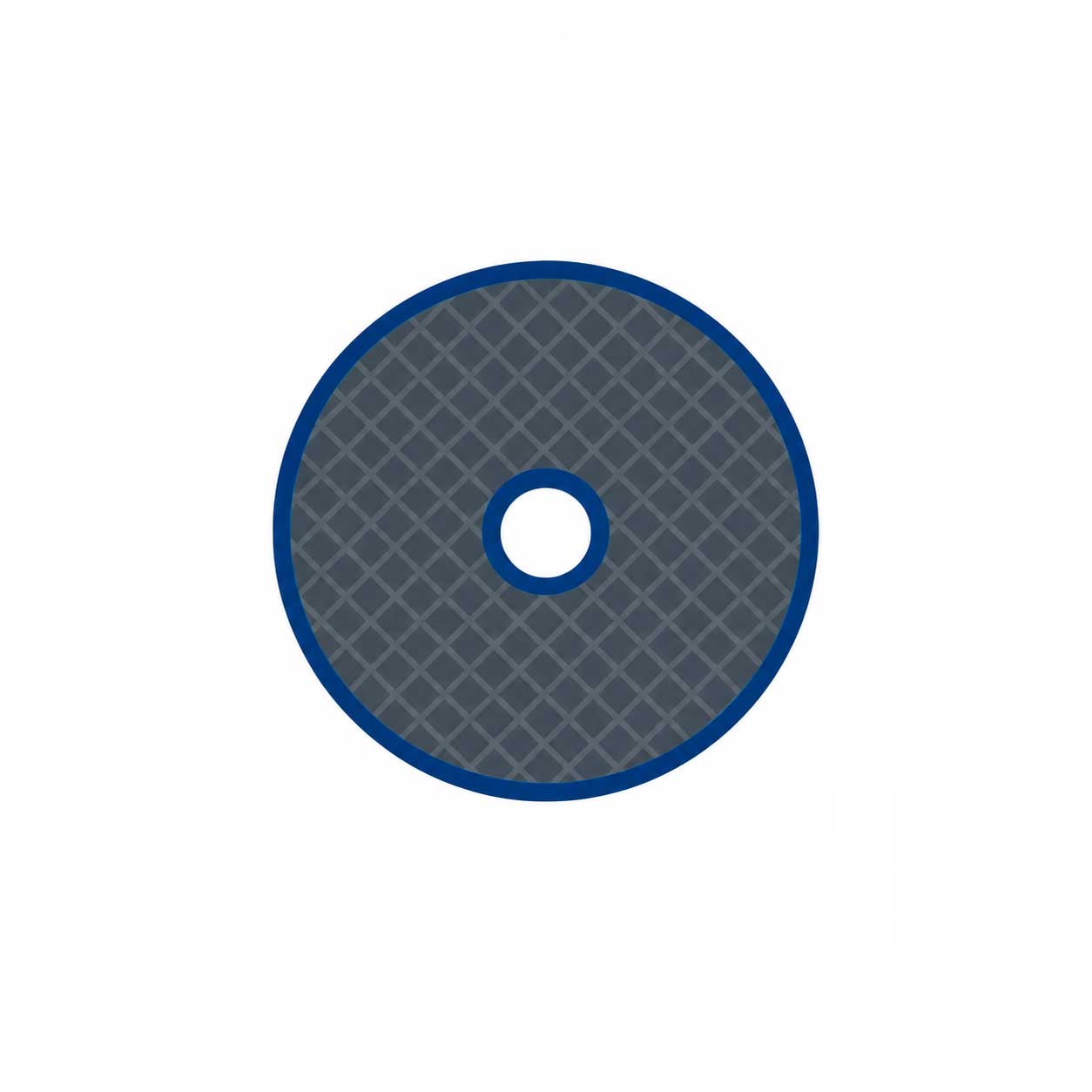
| Sanding Disc | Local sanding and surface correction | Diameter, attachment, and backing |
| Sanding Sheet | Manual sanding and small areas | Flexibility and grit |
| Sanding Sponge | Edges, corners, and contours | Foam hardness and abrasive grit |
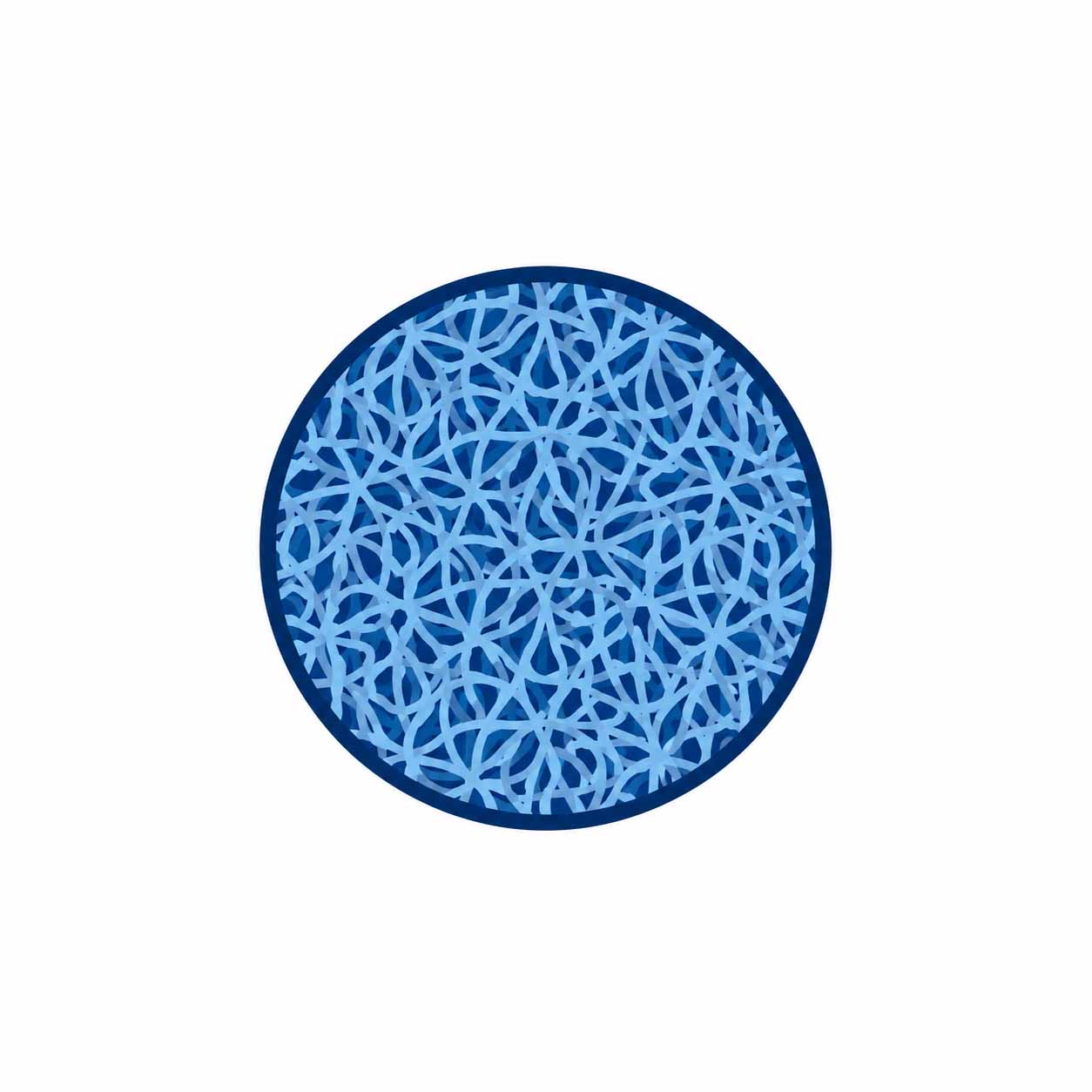
| Non-Woven Abrasive | Surface conditioning where suitable | Material compatibility and required finish |
Aozhong supplies abrasive belts, sanding discs, sanding sheets, sanding sponges, and non-woven abrasives for industrial surface-processing applications. We can evaluate these product formats against the requirements of footwear manufacturing.
Consider an abrasive belt when the process uses a compatible belt machine and requires repeated sanding across multiple components.
Consider a sanding disc when the operator needs to work on a specific bonding area, correct a local defect, or use a compatible orbital or pneumatic sander.
The best format is the one that fits the equipment and process. A product should not be selected solely because it has a particular grit.
Grit selection should follow the amount of material to be removed and the required surface condition.
A coarse abrasive removes material at a different rate from a fine abrasive. Starting too coarse may damage the component or create scratches that require extra work. Starting too fine may make material removal inefficient.
The following table provides a general trial framework, not a universal footwear manufacturing standard.
| Sanding Stage | Reference Grit Range | Main Purpose |
|---|---|---|
| Heavy Roughing | P36–P80 | Remove material or prepare a roughing area |
| General Shape Correction | P80–P120 | Correct edges and local surface differences |
| Intermediate Refinement | P120–P180 | Reduce marks from the previous stage |
| Fine Surface Preparation | P180–P240 | Refine the surface where the process requires it |
The correct range depends on the material and the approved production procedure. Some bonding operations require a particular roughing process rather than a conventional progression toward a fine finish.
For this reason, do not assume that a finer grit always produces a better bonding surface.
The objective is to meet the surface-preparation requirement without removing unnecessary material.
For Aozhong abrasive inquiries, we recommend specifying the substrate, machine, required removal, and final process alongside the grit range.
Abrasive loading occurs when removed material accumulates on the abrasive surface. This can reduce cutting efficiency and increase the need for abrasive changes.
Heat can also become an issue when the process uses excessive pressure, unsuitable machine settings, or an abrasive that does not match the material.
Factories should review the following factors:
Abrasive structure: Select a structure suited to the material and removal task.
| Problem | Possible Cause | What to Check |
|---|---|---|
| Abrasive Loading | Removed material accumulates | Grit, abrasive structure, pressure |
| Surface Heat | Excessive friction | Pressure, speed, contact time |
| Deep Scratches | Abrasive too coarse or damaged | Grit sequence and abrasive condition |
| Uneven Roughing | Inconsistent contact | Tool angle, pressure, operator method |
| Material Deformation | Excessive removal or heat | Process settings and abrasive choice |
Mesh abrasives may be evaluated where the equipment supports dust extraction, but they are not automatically the best choice for every footwear operation.
The abrasive, machine, extraction system, and material must be considered together.
Footwear components include curves, edges, bonding boundaries, and shaped surfaces. These areas can be difficult to process with a large or rigid abrasive.
The objective is to prepare the required area without changing the component's shape or damaging adjacent surfaces.
| Work Area | Main Requirement | Aozhong Product Direction |
|---|---|---|
| Outsole Bonding Area | Controlled roughing | Sanding disc / abrasive belt |
| Sole Edge | Edge correction | Sanding disc / sheet |
| Curved Profile | Surface conformity | Sanding sponge |
| Small Repair Area | Local material removal | Sanding sheet / disc |
| Detail Refinement | Controlled surface contact | Fine abrasive / sponge |
At Aozhong, we consider backing flexibility as well as grit when selecting products for shaped components.
A firmer abrasive provides support for leveling. A flexible sponge can follow contours and help distribute contact across a shaped surface.
However, flexible abrasives should not replace a suitable leveling tool when a component still has excess material that must be removed.
After roughing, dust and loose abrasive particles should be removed before the next operation. Cleaning agents and primers must be selected according to the material and adhesive system. Mechanical sanding alone does not guarantee a successful bond.
For footwear manufacturers, abrasive distributors, and OEM buyers, product selection should begin with the production process.
A single abrasive specification may not cover outsole roughing, edge correction, and detail finishing.
Aozhong's product range includes abrasive belts, sanding discs, sanding sheets, sanding sponges, and non-woven abrasives. Our manufacturing and converting operations also support product customization and private-label programs.
| Footwear Application | Aozhong Product Direction |
|---|---|
| Sole Roughing | Abrasive Belt / Sanding Disc |
| Continuous Production Sanding | Abrasive Belt |
| Local Surface Correction | Sanding Disc |
| Edge and Detail Sanding | Sanding Sheet / Sponge |
| Fine Surface Refinement | Fine Sanding Abrasive |
| Surface Conditioning | Suitable Non-Woven Abrasive |
Yes. Our product range includes abrasive belts, sanding discs, sanding sheets, sanding sponges, and non-woven abrasives. The suitable format depends on the footwear material, machine, roughing process, and required surface condition. Product suitability should be confirmed through application testing.
Yes. Depending on the product, customization can include dimensions, grit, backing, attachment format, and packaging. For abrasive belts, buyers should provide the required belt dimensions and equipment details. For sanding discs, the diameter, backing pad, and attachment system should be confirmed.
Yes. We provide samples for product evaluation. For footwear applications, we recommend testing on the actual rubber, EVA, PU, leather, or synthetic material to compare cutting performance, surface marks, abrasive loading, and compatibility with the production equipment.
Yes. We support OEM and private-label programs for industrial buyers and distributors. Depending on the product, customization can include grit, size, backing, product format, printing, labels, and packaging. Product specifications should be confirmed before finalizing the packaging design.
Aozhong operates abrasive production and converting facilities. Our processes include lamination, adhesive backing application, slitting, die-cutting, hole punching, and finished-product packaging. These capabilities support the development of abrasive formats for different industrial applications.