Aerospace surface preparation requires more control than general-purpose sanding.
Aircraft and aerospace components may include aluminum alloys, fiberglass composites, carbon-fiber composites, primers, paint systems and shaped parts. Each surface reacts differently to sanding.
The objective is not always to remove material quickly.
In many aerospace processes, the more important goals are:
Controlled Material Removal → Scratch Refinement → Surface Cleanliness → Coating or Bonding Preparation
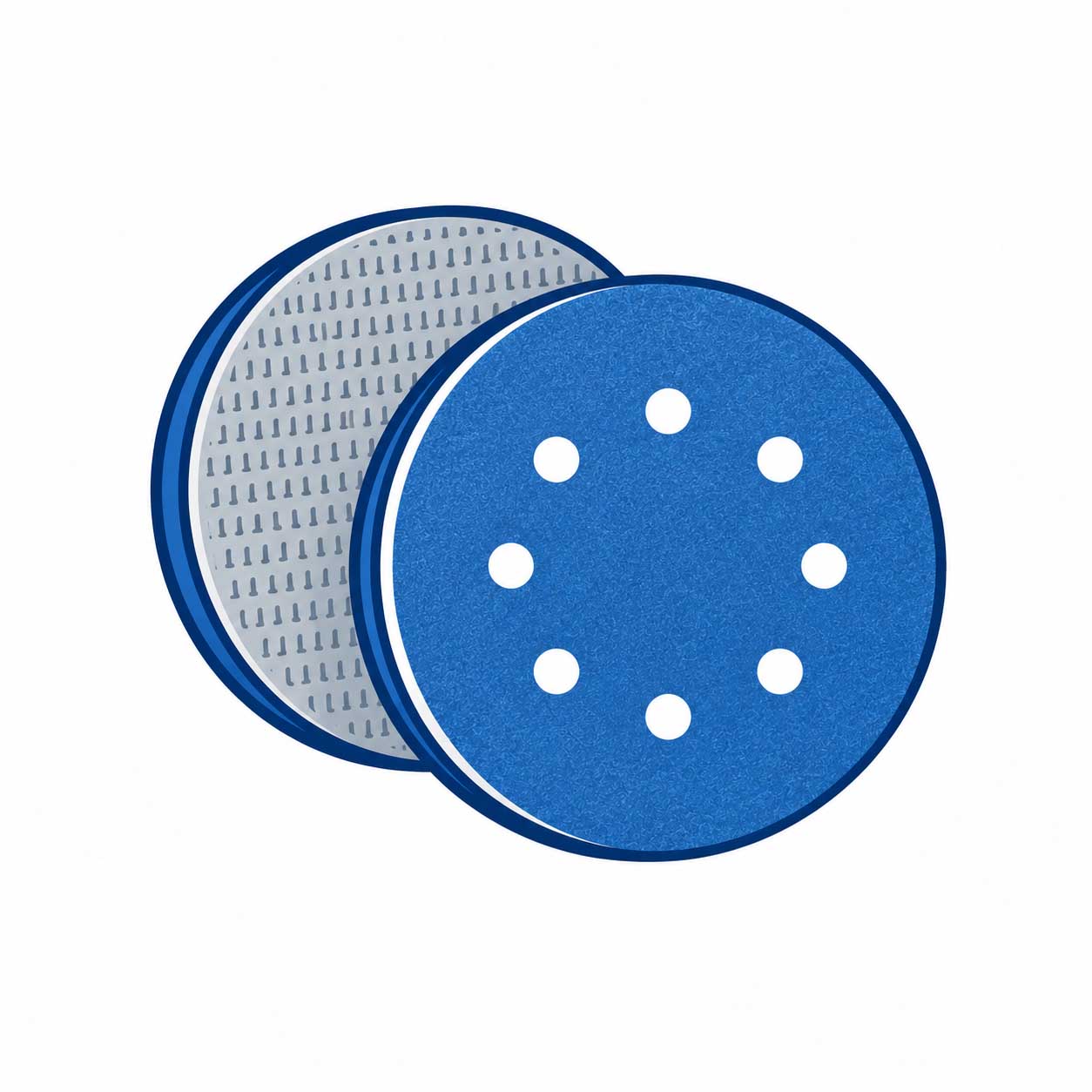
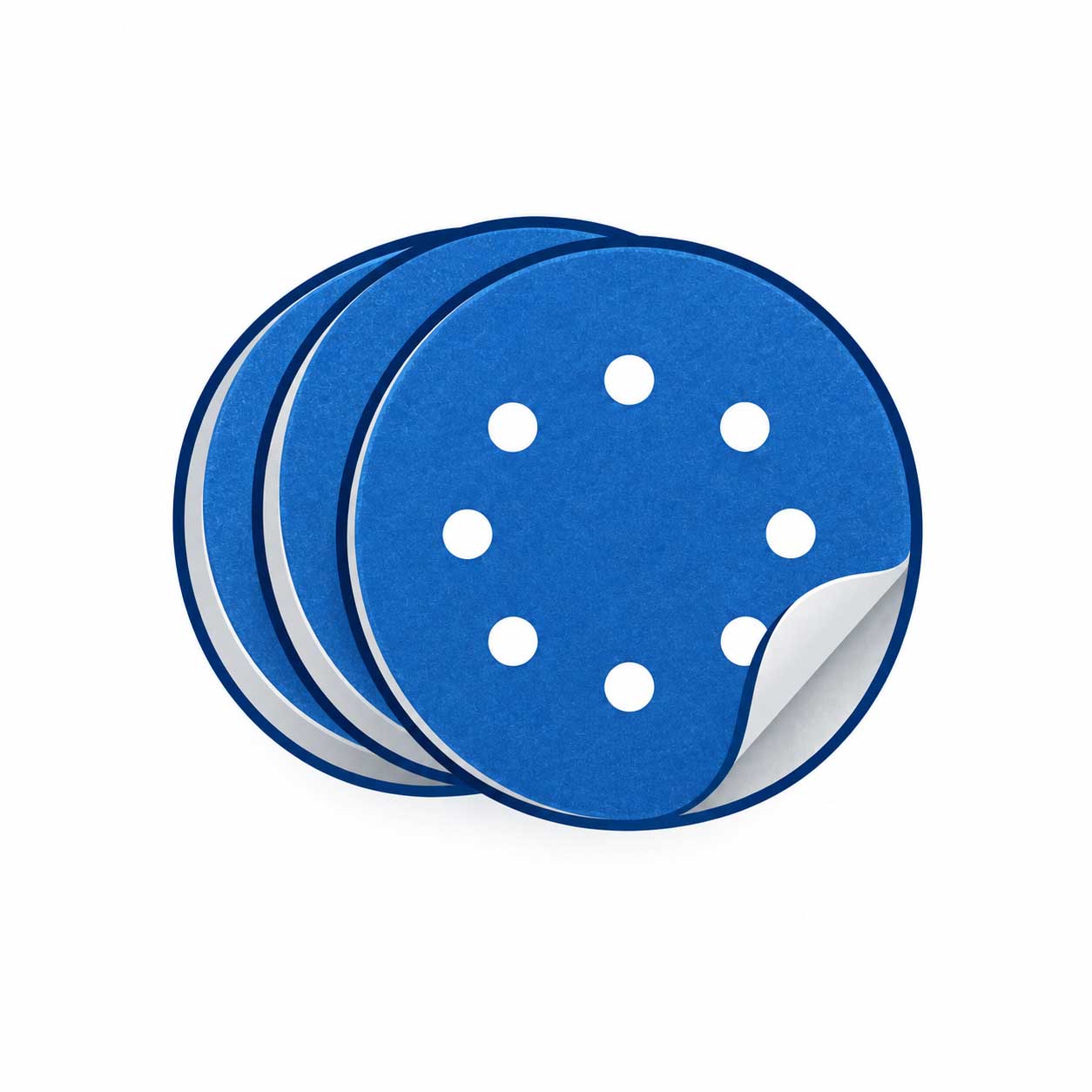
Aozhong manufactures sanding discs, film abrasives, mesh abrasives, foam-backed products, PSA abrasives, sanding rolls, sheets and non-woven products. Its production and converting capabilities include lamination, adhesive backing, hook-and-loop backing, slitting, die cutting and hole punching, allowing abrasive formats to be configured for different B2B surface-preparation programs.
| Aerospace Surface | Main Sanding Challenge | Abrasive Direction |
|---|---|---|
| Aluminum Alloy | Material control, heat, surface damage | Controlled coated abrasive |
| Fiberglass Composite | Dust and fiber exposure | Sanding disc + extraction |
| Carbon-Fiber Composite | Laminate damage risk | Controlled fine sanding |
| Primer | Fine dust and loading | Film / mesh / multi-hole abrasive |
| Existing Paint | Controlled coating removal | Sanding disc / scuffing abrasive |
| Curved Components | Uneven contact pressure | Foam-backed abrasive |
| Local Repair Area | Small controlled removal zone | Small disc / hand abrasive |
Aerospace sanding should therefore not be selected by grit alone.
The same P320 abrasive may be used very differently when refining primer compared with preparing a composite repair area.
For approved aircraft repairs, FAA guidance specifically warns that power sanding of composites must not damage the laminate or compromise the plies.
A general abrasive logic is:
| Aluminum Process | Abrasive Direction | Main Goal |
|---|---|---|
| Existing Coating Refinement | Medium sanding disc | Controlled coating removal |
| Scratch Refinement | Medium / fine abrasive | Reduce previous scratches |
| Primer Preparation | Fine film disc | Surface consistency |
| Curved Component | Foam-backed abrasive | Pressure distribution |
| Light Surface Conditioning | Non-woven abrasive | Controlled scuffing |
Excessive pressure should also be avoided. Heat generation during aluminum grinding depends on factors including tool speed, contact area, duration and pressure. Aluminum dust can also present a combustible-dust hazard under certain conditions, so facilities need dust controls designed for the actual process.
For composite preparation, the sanding sequence may move from controlled repair leveling toward finer surface refinement.
| Composite Stage | Main Priority | Abrasive Direction |
|---|---|---|
| Local Repair Leveling | Controlled material removal | Sanding disc / block |
| Repair Transition | Scratch refinement | Medium sanding disc |
| Primer Sanding | Dust + surface control | Mesh / multi-hole |
| Fine Preparation | Scratch consistency | Film sanding disc |
| Curved Composite Part | Pressure control | Foam abrasive |
Aozhong's P320 polyester film products, for example, are designed around stable film backing and are listed for composite sanding as well as coating preparation.
The exact grit progression in aircraft work must still follow the approved repair or coating process.
As sanding moves closer to coating, aggressive cutting becomes less important.
The main priorities become:
This is where polyester film abrasives can be useful.
Compared with conventional paper, film provides a stable backing that can support controlled orbital sanding and fine surface refinement.
Aozhong currently produces polyester film sanding discs in Hook & Loop and PSA formats, with different grit and extraction-hole configurations available depending on product structure. Its purple PET film abrasive range extends into fine finishing grits and supports dry or wet use on specified constructions.
A simple selection principle is:
Do not continue using an aggressive disc simply because it removes material faster.
Fine primer and composite dust can collect on an abrasive surface and contribute to loading.
Dust extraction can therefore improve the sanding process as well as workplace cleanliness.
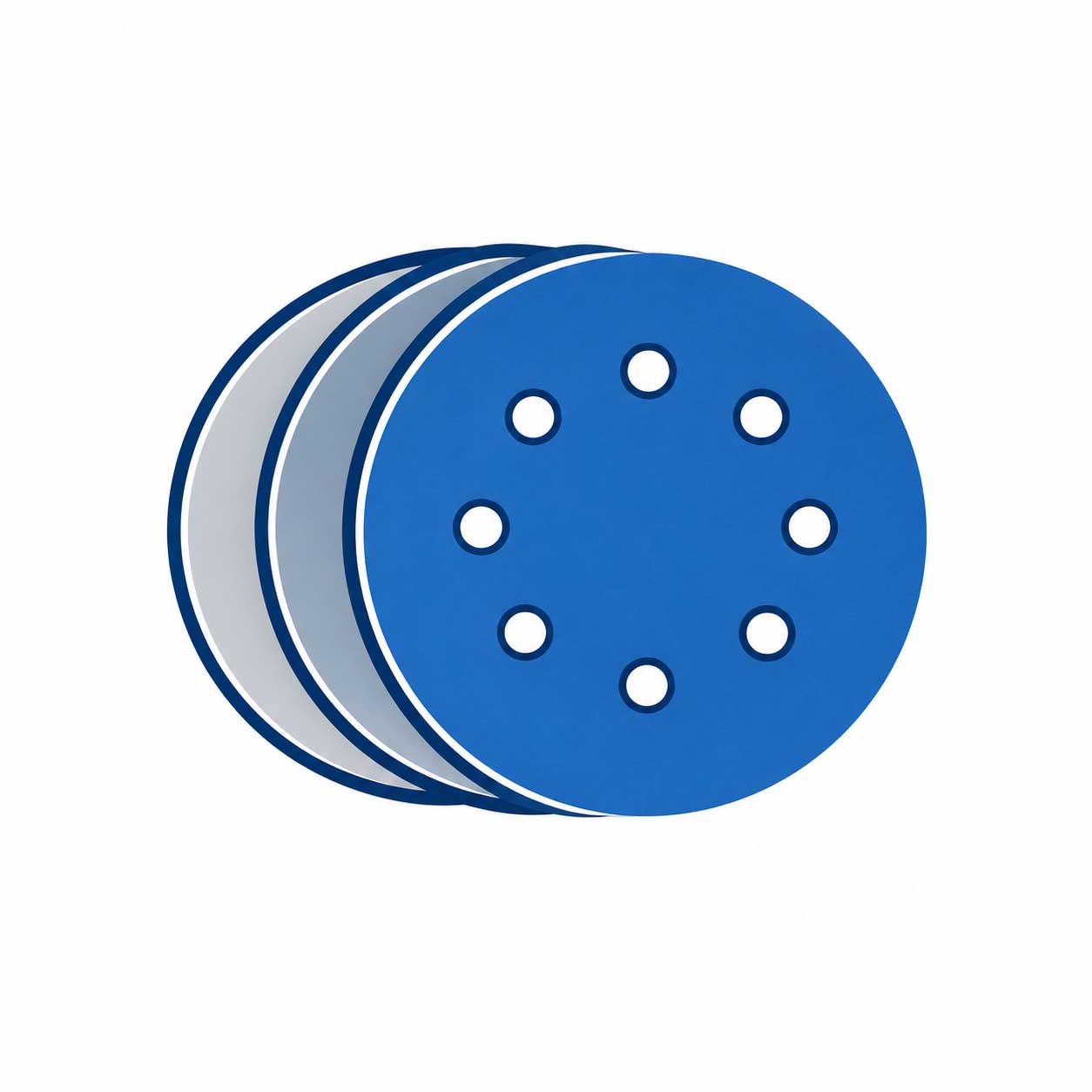
Two useful abrasive structures are Mesh and Multi-Hole discs.
| Comparison | Mesh Sanding Disc | Multi-Hole Sanding Disc |
|---|---|---|
| Backing | Open mesh | Coated abrasive with holes |
| Dust Path | Through open backing | Through fixed extraction holes |
| Hole Alignment | Less dependent on individual holes | Pad alignment is important |
| Main Strength | Open dust transfer | Conventional abrasive + extraction |
| Primer Sanding | Suitable for evaluation | Suitable |
| Composite Sanding | Process dependent | Process dependent |
| Pad Requirement | Extraction-compatible pad | Matching hole layout |
Aozhong's mesh products use an open backing structure that allows sanding debris to pass through the disc toward a compatible extraction system. Multi-hole products use defined extraction patterns and need to match the backing pad.
The complete system matters:
Disc → Backing Pad → Sander → Hose → Dust Collector
A sanding disc alone does not create a safe or effective dust-control system.
| Surface Type | Main Requirement | Abrasive Direction |
|---|---|---|
| Flat Repair Area | Maintain flatness | Firm disc / sanding block |
| Broad Curve | Follow contour | Foam sanding disc |
| Small Repair Spot | Local control | Small-diameter disc |
| Edge | Reduce concentrated pressure | Fine foam abrasive |
| Composite Transition | Blend surface | Flexible fine abrasive |
| Coating Refinement | Controlled contact | Fine film / foam product |
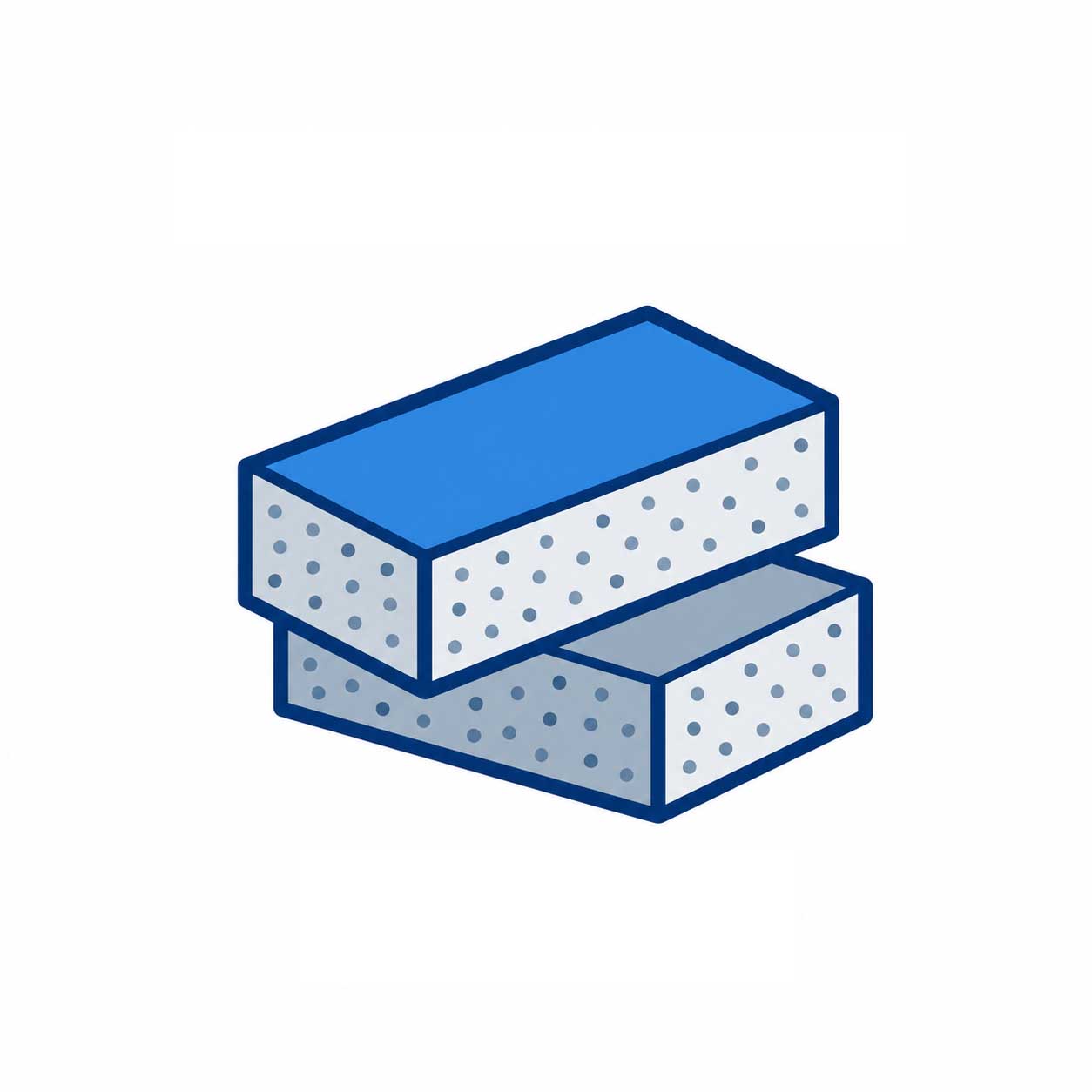
Aozhong foam sanding discs can be configured with different grit, foam thickness, hardness and perforation patterns. The foam layer distributes sanding pressure and helps the abrasive follow curved surfaces.
The important rule is:
A soft abrasive should not replace a firm block when the surface still needs geometric correction.
Aerospace sanding is primarily about control.
Aluminum requires controlled material removal and careful surface preparation. Composite sanding needs additional protection against laminate damage. Primer and coating preparation require consistent scratch refinement, while Mesh and Multi-Hole products can support dust-extraction processes. Foam-backed abrasives are useful where curved components require more uniform contact.
A practical selection method is:
Substrate → Approved Process → Material Removal → Scratch Requirement → Dust Control → Abrasive Structure
Aozhong can supply and customize different abrasive formats for industrial surface-preparation programs, but aerospace buyers should always validate the selected abrasive against the aircraft, component or approved repair specification before use.
Product selection, customization, testing and manufacturing support for precision aerospace surface-preparation projects.
Yes. Aozhong manufactures paper, film, mesh, foam, Hook & Loop, PSA and other converted abrasive formats. Different structures can be proposed according to the substrate, grit, sanding stage, tool and surface requirement.
For aerospace use, the final product should be validated against the buyer's approved process before use.
Yes. Aozhong supports custom diameter, grit, backing, attachment and hole patterns on applicable products. Buyers can provide a backing-pad drawing, equipment specification or approved sample so the converted product can be matched to the sanding system.
Yes. Samples are available for product evaluation. Industrial buyers can evaluate cutting behavior, scratch consistency, loading, extraction performance, backing adhesion and surface finish before confirming a bulk specification.
Qualification for actual aircraft use remains subject to the buyer's approved process.
Aozhong supports OEM, ODM and private-label abrasive manufacturing, including custom product specifications, printing, labels, barcode and packaging. Aerospace buyers should define any required traceability, inspection and approval conditions before production.
Aozhong's production and converting processes include abrasive coating, lamination, PSA application, hook-and-loop backing, slitting, die cutting, hole punching and finished-product packaging. These capabilities allow discs, sheets, rolls and other abrasive formats to be configured for different industrial tools and surface-preparation workflows.