Professional wall sanding is different from occasional DIY work.
Painting contractors often need to prepare large wall areas, repair patches, old paint, primer, joint compound, and wall filler under time pressure. The abrasive must therefore balance cutting efficiency, dust control, scratch quality, and ease of use.
A practical selection method is:
Surface Condition → Sanding Stage → Area Size → Dust Requirement → Final Coating
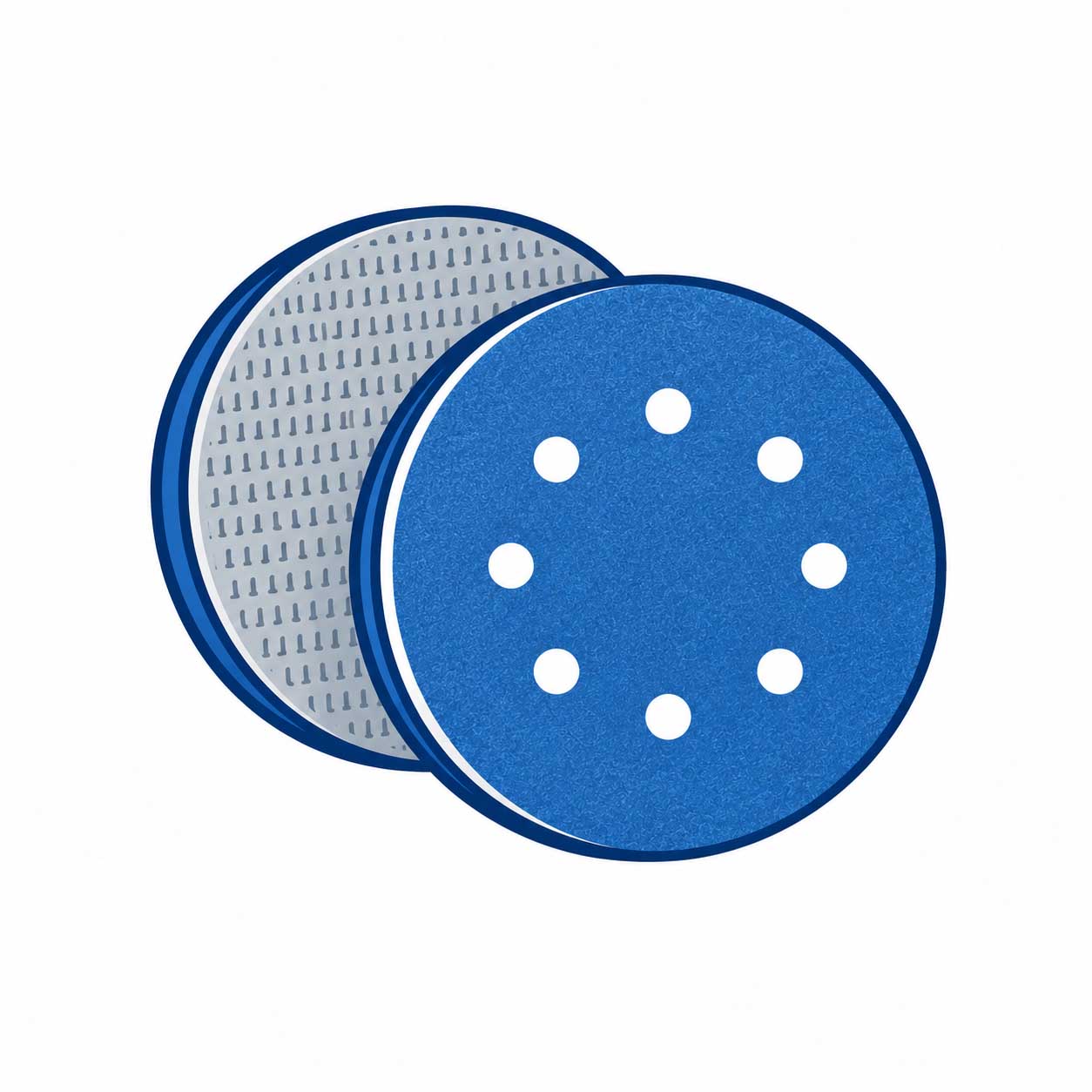
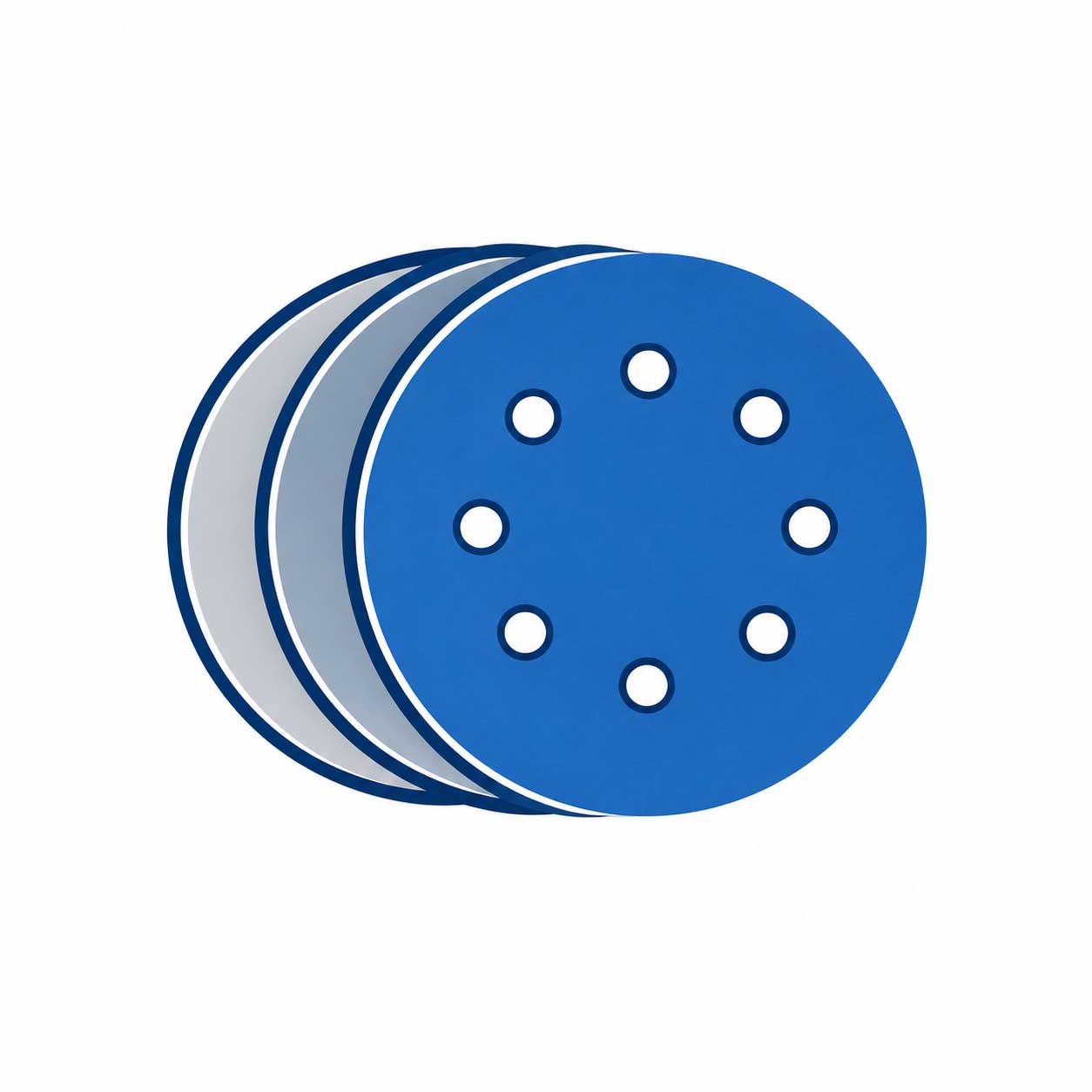
Aozhong provides Mesh Sanding Discs, Multi-Hole Sanding Discs, Hook & Loop Sanding Discs, Sanding Sponges, Sanding Sheets, Rolls, and fine finishing abrasives for different wall preparation processes.
The goal is not to use one abrasive for every job.
The goal is to build a sanding system that covers both fast surface preparation and controlled finish work.
| Wall Condition | Main Sanding Requirement | Product Direction |
|---|---|---|
| Joint Compound | Level and refine | Mesh / sanding disc |
| Wall Putty | Leveling and scratch refinement | Mesh / coated disc |
| Repair Patch | Local leveling and blending | Disc / sponge |
| Old Paint | Remove unstable coating | Sanding disc / sheet |
| Stable Painted Wall | Light surface preparation | Fine abrasive |
| Primer | Fine scratch control | Fine disc / mesh |
| Corners and Edges | Flexible contact | Sanding sponge |
| Sanding Stage | Reference Grit Range | Main Purpose |
|---|---|---|
| Heavy Leveling | P80–P120 | Reduce high filler or paint edges |
| General Putty Sanding | P120–P180 | Level and refine |
| Wall Surface Refinement | P150–P220 | Reduce sanding marks |
| Fine Pre-Paint Preparation | P180–P240+ | Prepare for primer or paint |
| Primer Refinement | P240+ | Process-dependent fine preparation |
These are not fixed rules.
Filler hardness, paint type, wall condition, tool speed, and final coating can all affect the correct starting grit.
A useful rule is:
Use the finest abrasive that still completes the current task efficiently.
Then refine the scratch pattern before moving to the next coating stage.
| Feature | Mesh Sanding Disc | Multi-Hole Sanding Disc |
|---|---|---|
| Backing Structure | Open mesh | Coated abrasive with extraction holes |
| Dust Path | Through open structure | Through fixed holes |
| Hole Alignment | Less dependent on exact holes | Pad alignment matters |
| Main Strength | High dust movement potential | Conventional sanding feel + extraction |
| Typical Use | Putty, filler, drywall, primer | General wall sanding |
| Best With | Compatible extraction system | Matching backing pad |
Aozhong Mesh Sanding Discs are especially suitable for contractors working with large amounts of wall dust.
However, mesh does not automatically mean “dust-free.”
The full system must work together:
Disc → Backing Pad → Sander → Hose → Dust Extractor
If the pad or vacuum system is not compatible, the abrasive alone cannot deliver effective extraction.
| Work Area | Recommended Method | Aozhong Product Direction |
|---|---|---|
| Large Flat Wall | Machine sanding | Mesh / Multi-Hole Disc |
| Large Putty Area | Machine sanding | Hook & Loop Disc |
| Repair Patch | Machine + hand sanding | Disc + Sponge |
| Inside Corner | Hand sanding | Sanding Sponge |
| Paint Edge | Hand sanding | Sponge / Sheet |
| Small Repair | Hand sanding | Sanding Sheet |
| Final Detail Work | Hand sanding | Fine Sponge / Sheet |
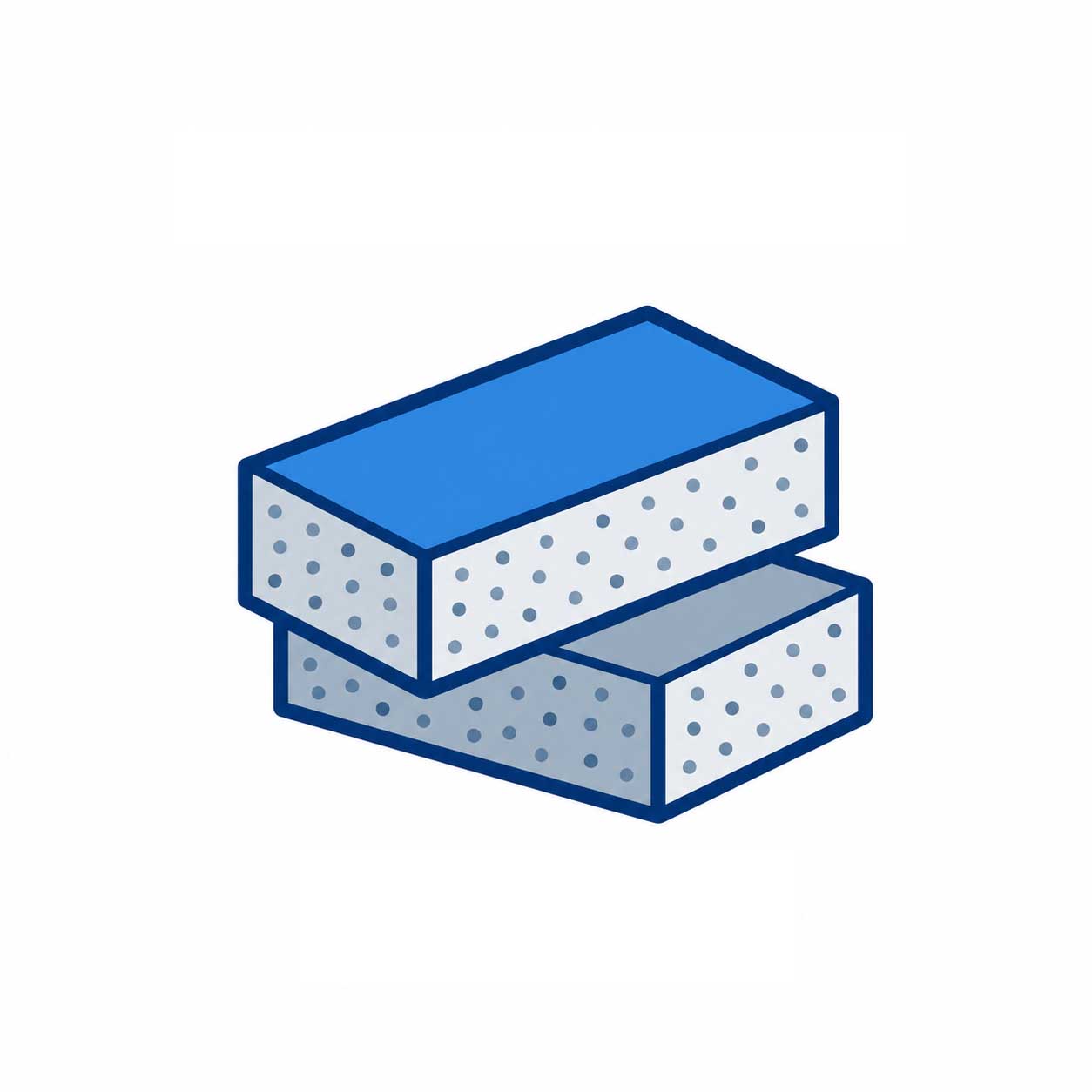
Aozhong Sanding Sponges are useful where the abrasive needs to follow the wall shape or where pressure needs to be controlled.
A simple rule is:
Machine sanding = speed and coverage
Hand sanding = control and detail
Wall repair patches are one of the most common contractor sanding tasks.
Typical repairs include:
The mistake is often to sand only the center of the patch.
A better process is:
Level the Center → Feather the Edge → Blend the Surrounding Wall
| Repair Stage | Main Goal | Product Direction |
|---|---|---|
| Patch Center | Remove high material | Sanding disc / mesh |
| Patch Edge | Reduce transition | Sanding sponge |
| Surrounding Wall | Blend surface | Fine abrasive |
| Final Check | Remove visible scratch difference | Fine disc / sponge |
This is important because a repair can feel smooth by hand but still remain visible after painting.
The surrounding transition matters just as much as the center of the patch.
A professional wall-sanding system should not be judged only by how fast it removes material.
Three issues matter together:
When fine filler dust remains on the abrasive surface, it can reduce cutting performance and increase disc changes.
When pressure becomes too high, the operator may create uneven surfaces or deeper sanding marks.
| Problem | Possible Cause | What to Check |
|---|---|---|
| Disc Loads Quickly | Fine dust accumulation | Extraction and abrasive structure |
| Cutting Slows | Worn or loaded abrasive | Disc condition |
| Deep Scratches | Grit too coarse | Grit progression |
| Uneven Surface | Too much pressure | Technique and tool control |
| Dust Around Work Area | Weak extraction | Pad, hose, vacuum system |
| Visible Repair After Paint | Poor feathering | Patch edge refinement |
Aozhong Mesh and Multi-Hole Sanding Discs can be used in dust-controlled systems, but the contractor should evaluate the abrasive together with the machine and extraction equipment.
This is especially important for large commercial repainting or renovation jobs where abrasive consumption and cleanup time can affect productivity.
| Contractor Application | Aozhong Product Direction |
|---|---|
| Joint Compound Sanding | Mesh Sanding Disc |
| Wall Putty Sanding | Mesh / Hook & Loop Disc |
| Old Paint Edge Sanding | Sanding Disc / Sheet |
| Patch Leveling | Coated Sanding Disc |
| Dust Extraction Sanding | Mesh / Multi-Hole Disc |
| Corner Sanding | Sanding Sponge |
| Detail Sanding | Sanding Sheet |
| Primer Refinement | Fine Sanding Disc |
| Light Surface Conditioning | Non-Woven Abrasive |
| Hand Sanding | Sheets / Rolls |
Professional wall sanding requires more than choosing a grit number.
Painting contractors need to consider wall condition, sanding stage, dust extraction, working area, and the final coating requirement.
Mesh Sanding Discs are useful for large dust-heavy areas. Multi-Hole Discs combine conventional coated abrasives with extraction holes. Sanding Sponges provide control around corners and repair transitions, while sheets and rolls remain useful for hand sanding.
A practical contractor selection method is:
Surface → Defect → Sanding Stage → Area Size → Dust Requirement → Final Finish
The best abrasive system is the one that helps contractors prepare a consistent surface while controlling dust, abrasive consumption, and unnecessary rework.
Yes. Aozhong can supply Mesh Sanding Discs, Multi-Hole Sanding Discs, Hook & Loop Sanding Discs, Sanding Sponges, Sheets, Rolls, and fine abrasives for different wall-preparation stages. The product range can be built around joint compound, putty, patch repair, repaint preparation, and primer sanding.
Yes. Depending on the product, Aozhong can customize disc diameter, grit, backing structure, attachment, hole pattern, printing, and packaging. Buyers should provide the machine size and backing-pad information when developing a new specification.
Yes. Sanding sponge products can be developed with different grit, size, foam thickness, hardness, abrasive type, shape, color, and packaging depending on the project. Different structures can be evaluated for corners, patch edges, hand sanding, and detail preparation.
Yes. Sample testing is recommended because wall fillers, primers, old paint, sanding machines, and extraction systems can behave differently. Buyers can compare cutting efficiency, loading, scratch pattern, dust extraction, flexibility, and abrasive life before confirming the bulk specification.
Yes. Aozhong supports OEM and private-label projects for paint-tool distributors, renovation suppliers, home-improvement retailers, and professional abrasive buyers. Depending on the product, customization can include grit, size, backing, hole pattern, sponge structure, logo, labels, barcode, and packaging.